
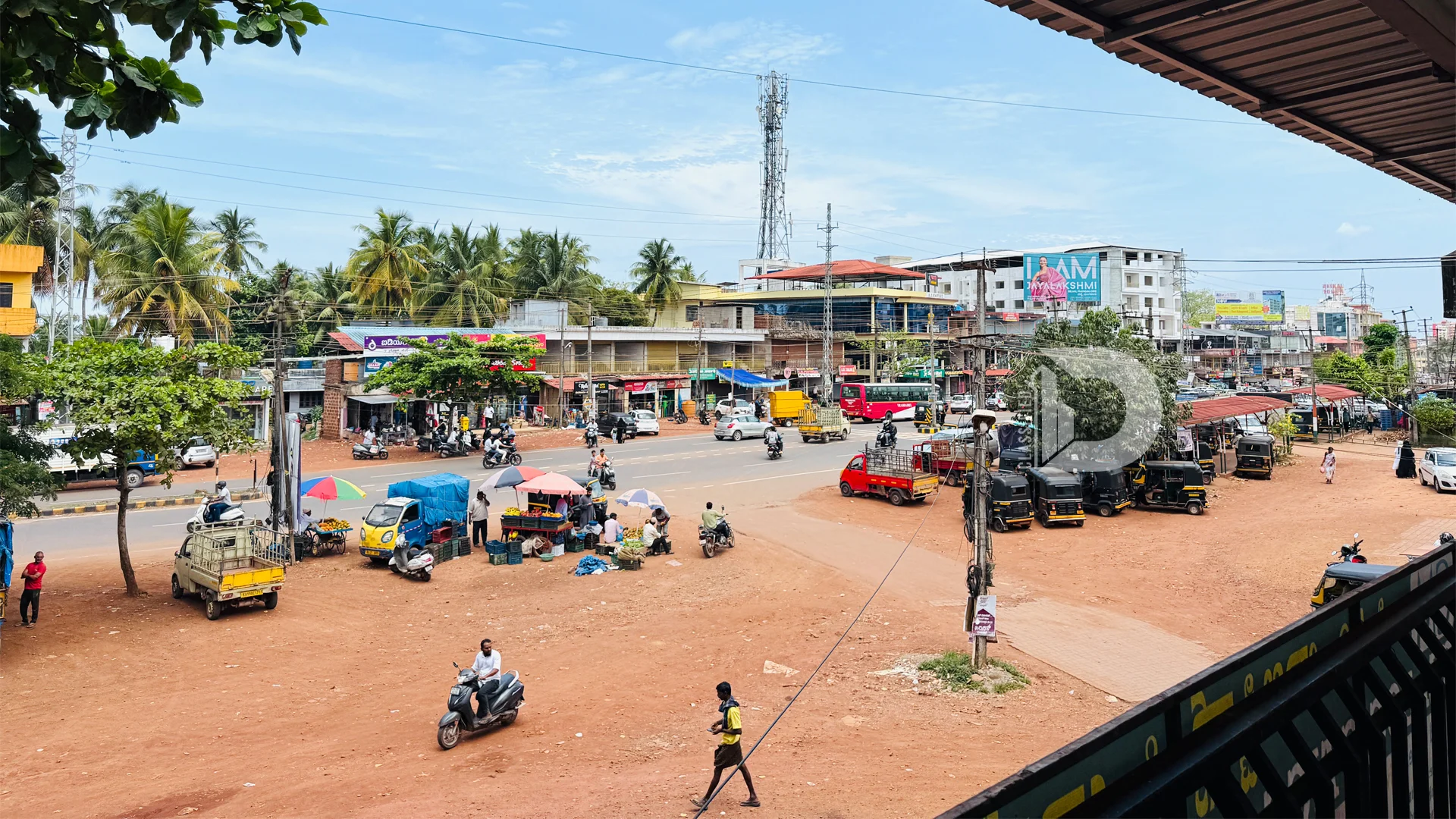
General Tips for Commuting in and Out of Deralakatte
Deralakatte, a growing suburb in Mangalore, has gained popularity over the years, especially among students and healthcare professionals. With its concentration of universities, hospitals, and cafes, Deralakatte buzzes with activity all year round. Whether you’re moving to the area, visiting regularly, or planning your daily commute from Deralakatte to other parts of Mangalore, having a clear commuting strategy is crucial.
In this blog, we’ll cover practical tips to make commuting in and out of Deralakatte smoother, more cost-effective, and less time-consuming—especially useful for students and working professionals.
1. Understand the Main Entry and Exit Points of Deralakatte
The first step to efficient commuting is understanding how Deralakatte connects to surrounding areas. The suburb links directly to:
- Thokkottu Junction – A major access point connecting Deralakatte to NH-66 and Mangalore city.
- Konaje and Kotekar – These routes offer secondary exits toward southern areas of the region.
- Derlakatte Cross Road – Acts as a crucial turning point for buses, rickshaws, and private vehicles.
Knowing these routes helps you decide which direction is quicker based on your destination and time of day.
2. Use Buses Strategically
Public buses remain one of the most affordable and accessible modes of transport in and around Deralakatte. Most buses connect to:
- Mangalore City Center
- Thokkottu Bus Stop
- State Bank Bus Stand
- Ullal and Pumpwell
Tips for Bus Commuters in Deralakatte:
- Catch early buses to avoid peak-hour congestion.
- Memorize frequent route numbers and their intervals.
- Carry cash or recharge local travel cards for smoother boarding.
If you’re commuting daily from Deralakatte to Mangalore for work or study, buses can save you a lot on fuel or ride-share costs.
3. Plan Around Peak Traffic Times
Deralakatte’s roads can get congested, especially during:
- Morning hours (8 AM – 10 AM)
- Evening return hours (5 PM – 7 PM)
During these hours, expect delays due to:
- School and college traffic
- Hospital shift changes
- Limited road width in certain areas
If your schedule is flexible, try commuting outside of these peak slots to save time.
4. Combine Walking and Auto Rides
Many areas within Deralakatte are easily walkable. If your destination is slightly farther—like a 10–15 minute walk—you can combine walking with a short auto ride to save money.
Auto rickshaws are readily available near major points like:
- University entrances
- Hospitals
- Cafes and grocery hubs
Negotiating a fair rate upfront (if not using a meter) helps avoid confusion.
5. Use Shared Auto and Cab Services
Shared autos are a common sight in Deralakatte and offer a budget-friendly option for short to medium commutes. They usually ply routes like:
- Deralakatte to Thokkottu
- Deralakatte to Konaje
- Deralakatte to Pumpwell
If you prefer cabs, services like Ola and Uber operate in the area but may have limited availability during off-peak hours. Booking in advance or using auto-rickshaw apps like Rapido can be a good backup.
6. Consider Two-Wheelers for Daily Commutes
For those staying longer in Deralakatte, investing in or renting a two-wheeler can significantly ease your commute. This allows you to:
- Navigate through narrow lanes
- Avoid waiting for public transport
- Save time during daily travel
Be sure to wear helmets and follow local traffic laws—Deralakatte police occasionally conduct checks near major intersections.
7. Explore Cycling as an Eco-Friendly Option
Deralakatte’s flat terrain and compact layout make cycling a viable commuting choice. If you’re living near your college, workplace, or hospital, cycling can be:
- Healthy
- Environmentally sustainable
- Inexpensive
There’s relatively low-speed traffic on interior roads, making it safer for cyclists than larger cities. Some hostels and residences also provide bicycle rentals for students.
8. Always Keep Buffer Time in Your Schedule
Given the occasional unpredictability of traffic in Deralakatte, it’s wise to leave a 10-15 minute buffer in your travel plans, especially when heading:
- To classes or exams
- For hospital appointments
- To catch a train or intercity bus
Unplanned diversions, rain, or temporary roadwork can cause minor delays.
9. Identify Safe Waiting Spots and Shelters
Whether waiting for a bus or sharing an auto ride, it’s important to identify safe and shaded waiting spots, especially during:
- Heavy monsoons
- Hot summer afternoons
- Late evenings
Colleges, hospital canopies, and local stores usually offer shelter if needed while commuting from Deralakatte.
10. Connect with Other Commuters
Forming informal commuter groups can be useful. Students or colleagues often share rides or coordinate timings to reduce costs and improve safety. Local WhatsApp or Telegram groups are common for:
- Ride sharing
- Bus arrival updates
- Reporting road issues or delays
If you’re new to Deralakatte, ask around in your hostel, apartment, or institution—most people are open to collaborating on daily commutes.
Final Thoughts
Commuting in and out of Deralakatte can be manageable, comfortable, and even enjoyable with the right approach. Whether you rely on buses, autos, bikes, or your own feet, knowing the best times, routes, and local habits can save you both time and money.
As Deralakatte continues to grow, improvements in infrastructure and public transport are likely to follow. But until then, local knowledge remains your best asset.