
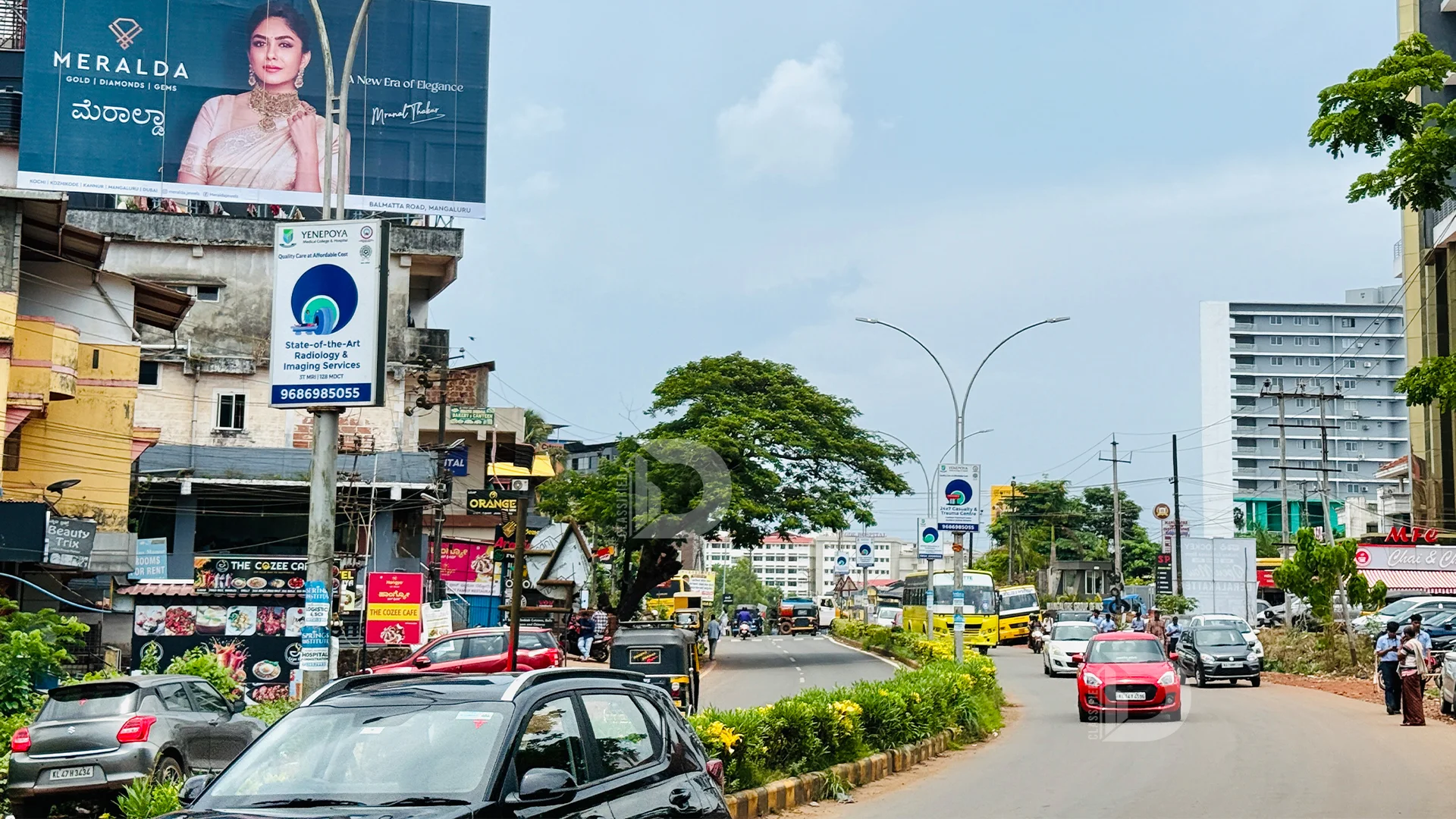
Local Traditions and How They Influence Everyday Life in Deralakatte
Deralakatte, a thriving suburb of Mangalore, is much more than just a growing educational and medical hub. Beneath the modern buildings and bustling streets lies a deeply rooted cultural fabric woven through generations of local traditions. These traditions aren’t just limited to annual festivals or ceremonial occasions—they’re part of everyday life in Deralakatte, shaping how people communicate, interact, eat, dress, and celebrate.
In this blog, we’ll explore how the local customs and cultural values of Deralakatte continue to influence daily routines and contribute to the suburb’s distinctive identity.
A Blend of Coastal Heritage and Contemporary Living
Located in the coastal belt of Karnataka, Deralakatte is home to communities that have lived here for generations. The local culture reflects a mix of Tulu, Beary, and Konkani traditions, each with its own rich heritage. Over time, as Deralakatte developed into an academic and healthcare hub, people from other parts of India and even abroad brought in new influences.
Yet, despite this diversity, local traditions continue to thrive, offering a sense of stability and rootedness in an otherwise rapidly urbanizing area.
Language and Communication Traditions
Language plays a significant role in daily life in Deralakatte. Tulu remains the most commonly spoken language among locals, followed by Beary, Konkani, and Kannada. Even among newer residents, there’s a growing tendency to pick up Tulu phrases to better connect with the local population.
Proverbs, respectful forms of address, and age-old communication etiquettes are still practiced. For example, it’s common to greet elders with a bow or folded hands, especially in family-run shops and local gatherings.
Culinary Traditions in Daily Meals
Food habits in Deralakatte are deeply influenced by local ingredients and ancestral cooking methods. Fish curry and rice is a staple dish, often flavored with coconut, tamarind, and traditional spices. Meals are typically served on banana leaves during special occasions and religious events, but the practice also finds its way into regular family meals.
Beary Muslim families may follow their own traditional recipes, such as pathiri (rice flour flatbread) and kukkura (a spiced meat dish), while Konkani households bring unique vegetarian and seafood delicacies to the table. These culinary traditions are passed down through generations and continue to define the taste of Deralakatte.
Dressing and Modesty in Everyday Fashion
Though western clothing is common among students and professionals in Deralakatte, traditional attire is still widely respected and worn—especially by the older generation and during religious observances.
- Women often wear sarees or salwar kameez with dupattas.
- Men may be seen in lungis, especially in residential and rural parts of Deralakatte.
- Fridays and festival days witness a larger number of residents dressing in traditional clothes as part of their cultural and religious observance.
These traditional dressing habits highlight the cultural pride and identity that locals maintain, even in day-to-day life.
Community Living and Hospitality
A hallmark of life in Deralakatte is the strong sense of community and hospitality. Neighbors often look out for each other, and people still stop to exchange pleasantries on the street or invite one another for tea. Joint families are common, and elders hold a respected position in family and community matters.
During festivals, weddings, and even funerals, the community comes together to support each other—a tradition that has survived despite modern time constraints. This interconnectedness fosters a sense of belonging that defines everyday interactions.
Festivities and Religious Observances
Local festivals play a vital role in the rhythm of life in Deralakatte. Some of the most influential ones include:
- Kambala (buffalo race), celebrated in nearby villages and watched by many locals.
- Mosaru Kudike, a Krishna Janmashtami celebration where community groups form human pyramids.
- Ramzan and Eid among the Beary Muslim community, marked by community prayers and feasts.
- Deepavali and Navaratri, widely celebrated with lights, sweets, and traditional songs.
Even if residents are not directly part of a particular festival, they often participate in the spirit of community. Local shops, streets, and homes are decorated, and schools and colleges conduct cultural events, making traditions a visible part of everyday life.
Traditional Arts and Local Knowledge
Folk arts such as Yakshagana (a dance-drama art form), Paddanas (oral folk poetry), and local music are still appreciated by Deralakatte’s older residents and occasionally taught to younger generations. These art forms aren’t just for special events—they influence storytelling, moral education, and even school performances.
Similarly, knowledge of local herbs, home remedies, and astrology continues to be valued. Many homes in Deralakatte still grow Tulsi (holy basil) in their courtyards, use coconut oil for health and rituals, and consult elders or local healers for traditional wellness advice.
Tradition Meets Modernity
Perhaps the most striking aspect of Deralakatte’s cultural life is how tradition and modernity coexist. Tech-savvy youngsters may spend their time on smartphones and at cafes, but they’ll still touch their parents’ feet before leaving for an exam. Doctors and students use the latest technologies while maintaining a cultural sense of respect for elders and teachers.
This ability to balance the old with the new gives Deralakatte its unique charm. It’s a suburb where you’ll find smart apartments next to age-old temples, and new cafés alongside family-run Udupi restaurants that haven’t changed their menu in 30 years.
Final Thoughts
In Deralakatte, tradition isn’t confined to the past—it’s a living, breathing part of everyday life. From language and food to community bonds and festivals, local traditions shape how people live, connect, and grow. For anyone moving to or visiting Deralakatte, understanding and embracing these traditions can offer deeper insight into the community and a richer living experience.
In a time when many places are losing their cultural identity, Deralakatte stands out as a suburb that respects its roots while embracing the future—a rare and beautiful blend that makes everyday life here truly special.