
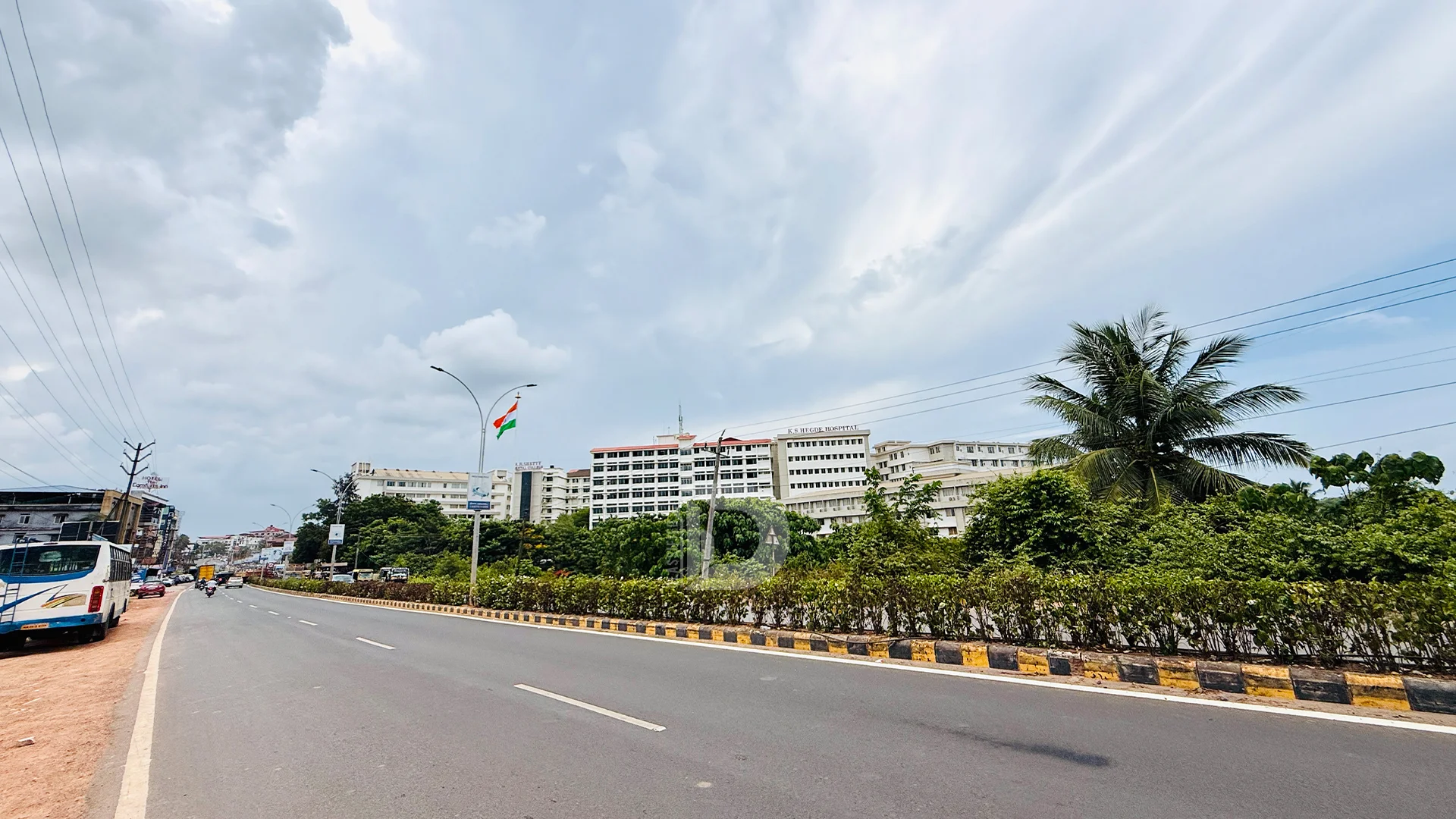
Local Environmental Concerns in Deralakatte
Deralakatte, a rapidly developing suburb in the southern part of Mangalore, has gained recognition for its educational hubs, healthcare institutions, and peaceful living environment. As this suburb grows, so do concerns about its environmental sustainability. While Deralakatte has managed to retain some of its natural charm, several emerging issues are causing residents and environmentalists to take notice.
In this post, we dive deep into the environmental concerns in Deralakatte, looking at current challenges and opportunities for preserving its ecological balance.
Urban Growth and Its Environmental Footprint
The once-quiet area of Deralakatte has undergone a dramatic transformation over the last two decades. What used to be dominated by agricultural land and forests has now become a vibrant locality dotted with apartment complexes, hospitals, colleges, and hostels.
This development boom, while positive for local economic growth, has led to:
- Reduction in green cover
- Increase in vehicular emissions
- Greater pressure on water and waste management systems
As Deralakatte expands, the demand for resources and infrastructure often comes at the cost of the environment.
Declining Green Spaces in Deralakatte
One of the most visible environmental concerns is the loss of greenery. Coconut plantations and wooded plots have been cleared to make room for real estate and institutional campuses. This reduction in vegetation not only affects the aesthetic appeal of Deralakatte but also impacts:
- Air quality
- Temperature regulation
- Local biodiversity
Many long-time residents recall how Deralakatte once had thick canopies that kept the area cool and shaded. Today, the greenery exists mostly in patches or within the boundaries of educational campuses.
Waste Management: A Growing Challenge
With a rising population comes the issue of solid waste management. In Deralakatte, the problem is two-fold:
- Residential Waste – Increasing number of hostels and apartment buildings have led to more household waste generation.
- Medical Waste – Hospitals and clinics must follow strict biomedical waste disposal regulations, but improper practices can still occur.
Common concerns among locals include:
- Lack of sufficient garbage bins in public spaces
- Open dumping in vacant plots
- Burning of plastic waste, which leads to harmful air pollutants
To maintain cleanliness and environmental health, Deralakatte needs a more robust and community-driven approach to waste management.
Water Supply and Drainage Issues
Despite being a coastal suburb, Deralakatte faces periodic water supply issues, especially during the dry summer months. The increasing number of buildings and facilities draws heavily on groundwater resources, causing a noticeable drop in water table levels in some areas.
Additionally, poor drainage systems have led to:
- Waterlogging during heavy rains
- Stagnant water becoming breeding grounds for mosquitoes
- Erosion and damage to roads in low-lying areas
These issues highlight the need for sustainable water use and upgraded infrastructure planning in Deralakatte.
Air and Noise Pollution in Deralakatte
While Deralakatte is not among India’s most polluted areas, the shift from a quiet suburb to a busier urban space has brought measurable changes in its air and noise levels.
Air Pollution:
- Construction dust from ongoing projects
- Vehicle emissions due to increased traffic
- Burning of waste in some corners
Noise Pollution:
- Traffic near colleges and hostels
- Commercial activities and events
- Emergency sirens from hospitals
These pollutants not only affect residents’ quality of life but also pose health risks, particularly for the elderly, children, and individuals with respiratory issues.
Construction and Land Use Concerns
As builders rush to meet housing and commercial demand, unregulated construction in Deralakatte is a growing problem. This includes:
- Encroachment on low-lying or ecologically sensitive zones
- Inadequate adherence to environmental clearance norms
- Poor stormwater planning leading to seasonal flooding
It’s crucial that future development in Deralakatte respects the area’s environmental constraints and implements eco-conscious designs.
The Role of Institutions and Residents
One of the bright spots in Deralakatte is that several colleges and hospitals are taking environmental responsibility seriously. Initiatives include:
- Tree planting drives
- Waste segregation programs on campus
- Use of solar energy and rainwater harvesting
Residents are also increasingly vocal about the need to preserve Deralakatte’s environment. Local WhatsApp groups, community clean-ups, and environmental clubs are gaining traction as more people understand the long-term value of sustainable living.
Solutions and Way Forward
To mitigate the growing environmental concerns in Deralakatte, collaboration between authorities, residents, and developers is essential. Here are a few proposed solutions:
- Strengthen waste management with better municipal support and public awareness.
- Preserve green belts by designating zones where construction is prohibited.
- Promote public transport to reduce the number of private vehicles.
- Adopt rainwater harvesting systems in all new buildings.
- Monitor air and water quality with real-time data systems.
Conclusion
Deralakatte is at a critical juncture. As one of Mangalore’s fastest-growing suburbs, it has the potential to become a model for eco-friendly urban development—if environmental concerns are addressed early and effectively.
Preserving the natural balance in Deralakatte isn’t just about aesthetics—it’s about ensuring a high quality of life for future generations. With thoughtful planning and community participation, Deralakatte can remain a thriving and sustainable place to live.