
How Accessible Is Deralakatte for Differently-Abled Individuals?
Deralakatte, a southern suburb of Mangalore, is best known for its educational institutions and healthcare hubs. As it continues to grow, there is increasing attention on how inclusive and accessible this suburb is—especially for differently-abled individuals. Accessibility is more than just ramps or lifts; it’s about community integration, support systems, and safe infrastructure that enables all residents to participate fully in life.
In this blog, we explore how Deralakatte caters to the needs of the differently-abled, the current challenges, and how the suburb is evolving toward a more inclusive future.
Healthcare Accessibility in Deralakatte
One of the biggest strengths of Deralakatte lies in its concentration of world-class hospitals and medical colleges such as:
- Yenepoya Medical College Hospital
- K.S. Hegde Hospital
- Father Muller Homeopathic Medical College
These institutions are not only equipped with modern medical technology but are also gradually incorporating inclusive design and services. For differently-abled patients, many of these hospitals offer:
- Wheelchair-accessible entrances and elevators
- Designated parking spots close to building entrances
- Special consultation rooms or priority queuing
- Physiotherapy and rehabilitation centers
As a medical hub, Deralakatte has a strong base to become a leader in accessible healthcare in coastal Karnataka.
Educational Inclusivity
With its nickname as “University Town,” Deralakatte is filled with young students, including those who may require mobility support or accommodations. While most colleges are still adapting to newer accessibility guidelines, a few have started implementing:
- Ramps at academic buildings
- Accessible restrooms
- Student support cells and counselling services
- Exam accommodations for students with disabilities
However, full inclusion in classrooms, hostels, and libraries is still a work in progress. Institutions are being encouraged to adopt the RPwD Act, 2016 (Rights of Persons with Disabilities Act) to create a more equitable academic environment.
Public Infrastructure: Still Catching Up
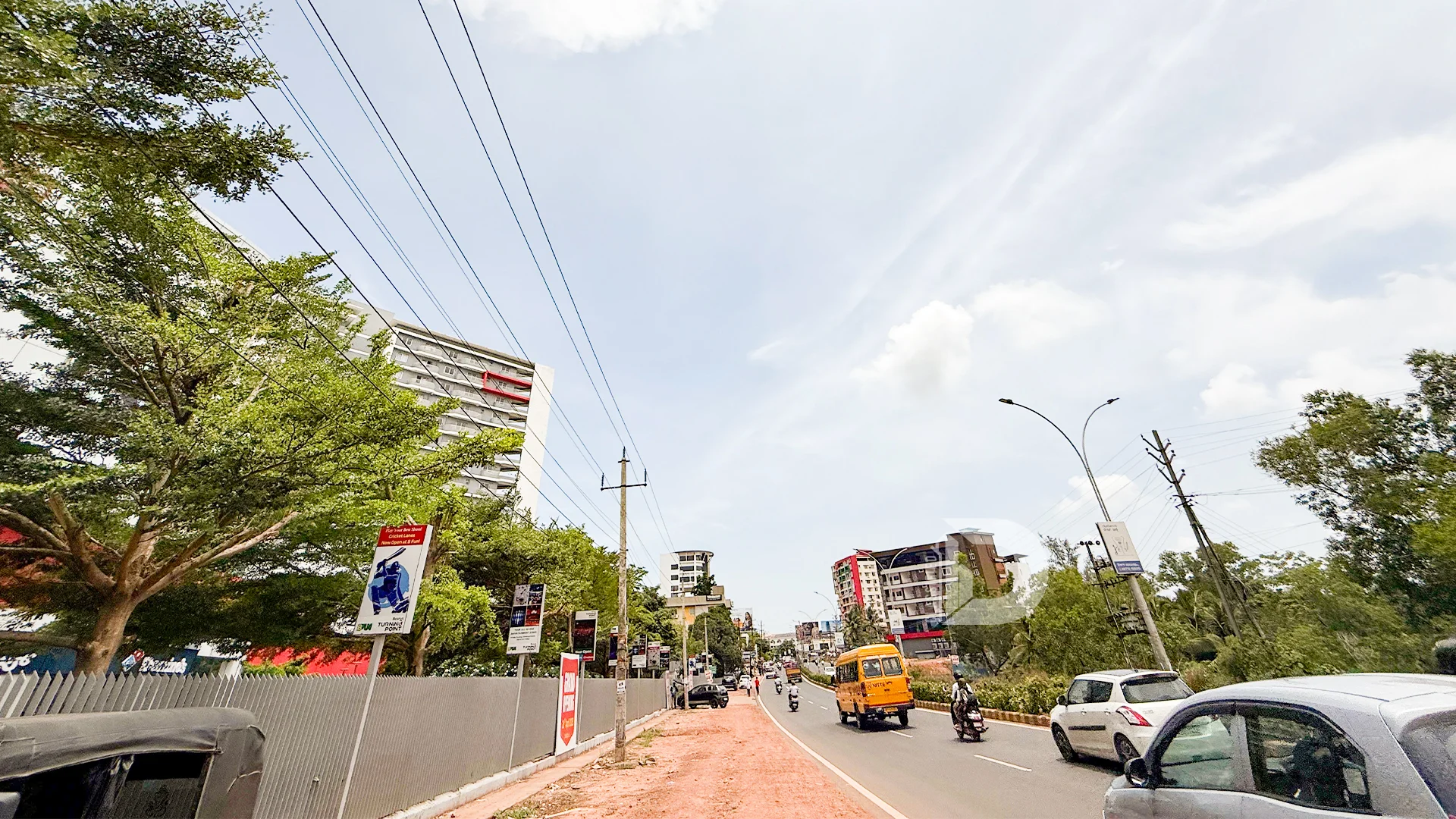
While healthcare and education have shown progress, public infrastructure in Deralakatte remains mixed in terms of accessibility. Roads and sidewalks in certain areas are narrow, uneven, or lack tactile pathways for the visually impaired. Pedestrian signals and ramps at street crossings are limited.
However, due to its rapidly urbanizing nature, new residential and commercial developments are starting to include:
- Barrier-free entrances
- Elevators with Braille buttons
- Wider doorways for wheelchair users
- Ground-floor apartments designed for easy access
Many of these improvements are being driven by builders looking to attract a wider range of homebuyers, including families with elderly or differently-abled members.
Transportation Accessibility
One of the crucial aspects of accessibility is mobility and transport. Deralakatte’s current public transport system primarily consists of:
- Local buses
- Autorickshaws
- Taxis and ride-hailing apps (like Ola and Uber)
Unfortunately, public buses in Deralakatte are not yet fully equipped for wheelchair users. There is a lack of low-floor buses, wheelchair ramps, or visual/audio stop announcements.
However, the proximity to Mangalore city means that specialized transportation options are accessible within a short drive. Additionally, some medical colleges offer in-campus transport for differently-abled patients or students.
Inclusive Commercial Spaces
Shopping, dining, and leisure are essential to everyday life—and Deralakatte is home to several malls, restaurants, and cafes. The level of accessibility in commercial establishments varies greatly.
Positive developments include:
- Ramps at major pharmacies and diagnostic centers
- Cafes and bakeries with ground-level seating
- Salon chains with trained staff for special-needs clients
Challenges still exist in older buildings or small-scale stores that haven’t yet adopted accessibility norms. Awareness among business owners is growing but needs consistent encouragement.
Community and Support Systems
One heartening trend in Deralakatte is the emerging sense of community. NGOs and student groups from colleges often conduct:
- Awareness campaigns about disability rights
- Volunteer support for therapy and learning
- Skill training workshops and inclusive events
The medical student population, in particular, plays a key role in advocating for disability inclusion. Through outreach and health camps, they support residents in navigating medical, legal, and mental health services.
Future Outlook: Toward a More Inclusive Deralakatte
For Deralakatte to truly be inclusive, coordinated efforts are needed between government authorities, educational institutions, builders, and local communities. Steps that can be taken include:
- Implementing mandatory accessibility audits for public buildings
- Including inclusive design in college curriculums
- Promoting awareness of the RPwD Act
- Offering subsidies for building accessible homes or businesses
As awareness grows, Deralakatte has the opportunity to become a model suburb—not just for education and healthcare, but for universal access and inclusive urban living.
Conclusion
While Deralakatte has made promising strides in healthcare and educational accessibility, there is still a long journey ahead when it comes to public transport, infrastructure, and everyday mobility for differently-abled individuals.
With increased awareness, institutional commitment, and evolving infrastructure, Deralakatte has the potential to become not just a smart suburb—but a compassionate and accessible one for all.