
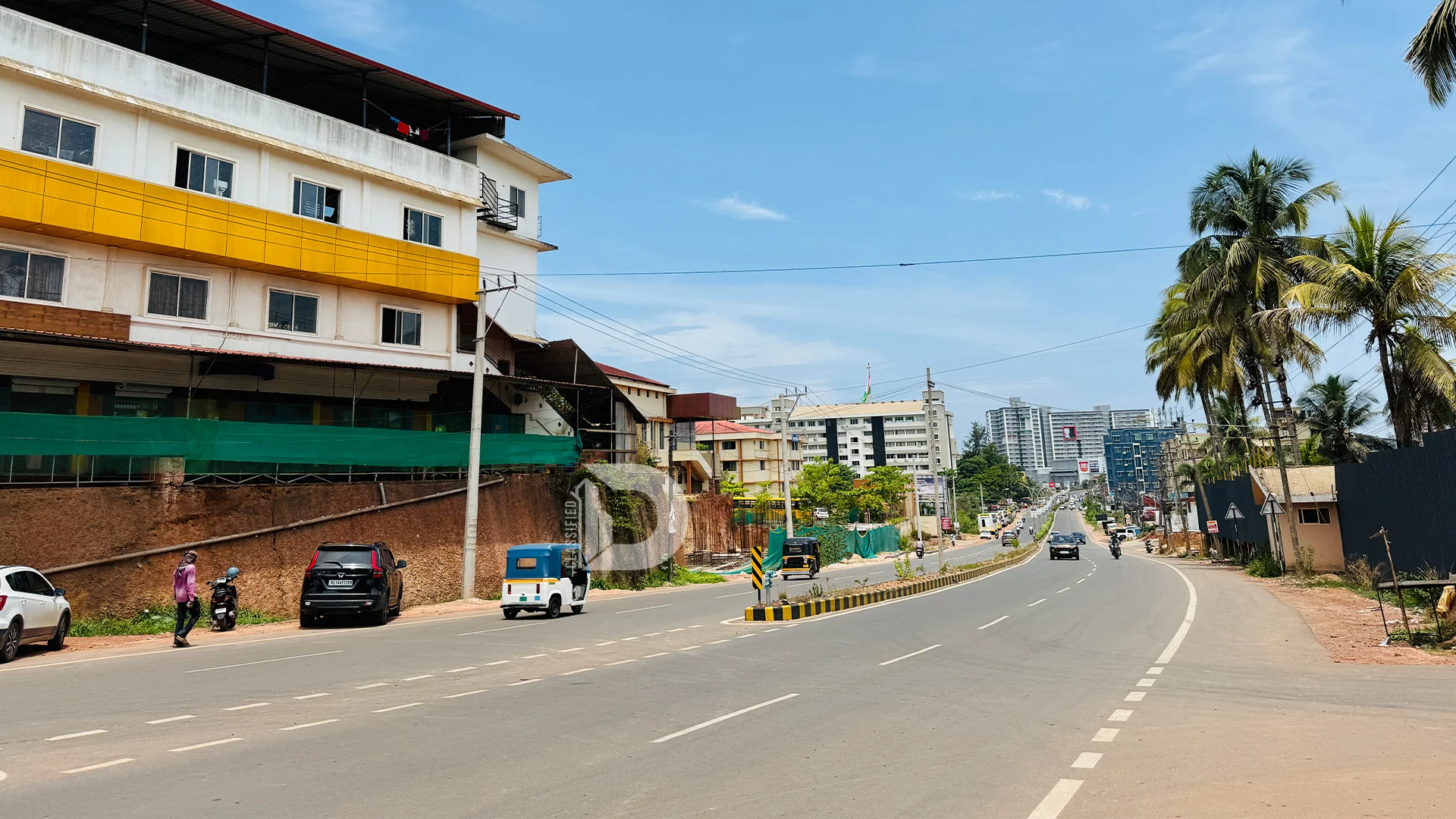
Deralakatte’s Transformation Over the Last 10 Years
In just a decade, Deralakatte has undergone a remarkable transformation. Once a quiet locality on the outskirts of Mangalore, Deralakatte is now a bustling suburb, renowned for its educational institutions, advanced healthcare facilities, and fast-paced urban development. The last ten years have reshaped this area, making it one of the most sought-after localities in South Mangalore.
This blog explores how Deralakatte has evolved over the past 10 years and what factors have contributed to its impressive rise.
From a Quiet Suburb to a Key Urban Hub
Ten years ago, Deralakatte was largely residential with some small shops, local homes, and limited infrastructure. Roads were narrower, public transport options were minimal, and major developments were sparse. Fast forward to today, and Deralakatte stands as a prominent locality with modern infrastructure, new housing projects, and a growing economy driven by education and healthcare.
The Rise of Educational Institutions
One of the most important drivers of Deralakatte’s transformation has been the exponential growth of its educational institutions. In the last decade, universities and colleges in the area have expanded their campuses, improved facilities, and attracted students from across India and abroad.
Key Institutions Fueling Growth:
- Yenepoya University has significantly grown in reputation and campus size.
- KS Hegde Medical Academy has developed into a top-tier medical institution.
- NITTE University has added advanced programs and state-of-the-art facilities.
These universities have not only increased student intake but also boosted local demand for hostels, PG accommodations, eateries, stationery shops, and other student-friendly services. The academic boom has redefined the identity of Deralakatte.
Healthcare Expansion: A Medical Destination
In parallel with education, healthcare in Deralakatte has advanced significantly. Over the last 10 years, hospitals and clinics have expanded services, introduced new specialties, and attracted patients from across the region.
Notable Hospitals:
- Yenepoya Medical College Hospital
- KS Hegde Hospital
These facilities have grown into teaching hospitals, research centers, and full-service healthcare providers. Their presence has made Deralakatte a reliable destination for quality healthcare, contributing to its economic and social development.
Real Estate and Infrastructure Growth
The combined rise of education and healthcare created a domino effect on Deralakatte’s real estate market. As demand for housing increased, developers began investing heavily in the area.
Key Developments:
- New apartment complexes and gated communities
- Student-friendly rental accommodations and PGs
- Wider roads and better drainage systems
- Shopping complexes, restaurants, and supermarkets
Compared to a decade ago, today’s Deralakatte is much more urban and organized, with essential amenities within easy reach. Public transport options, including city buses and auto-rickshaws, have also improved to serve the growing population.
Business and Local Economy
Ten years ago, Deralakatte’s economy was modest, with most locals relying on small-scale agriculture, retail, or commuting to Mangalore city for work. Today, the local economy has become more self-sustaining.
Thanks to the influx of students, faculty, healthcare workers, and residents, small businesses have flourished. These include:
- Cafés and fast-food joints
- Internet cafés and print shops
- Grocery and provision stores
- Pharmacies and medical supply shops
- Tech repair and accessories shops
This thriving micro-economy is a direct outcome of Deralakatte’s educational and medical ecosystem.
Better Connectivity and Accessibility
Another major change in Deralakatte over the past 10 years has been improved connectivity. Roads have been widened and re-laid, public transportation routes have expanded, and travel to key parts of Mangalore has become more efficient.
Buses now frequently connect Deralakatte to:
- State Bank
- Pumpwell
- Thokkottu
- Kankanady
- Mangalore Railway Station
Auto and cab services are more easily available today, making commuting easier for both locals and visitors.
Lifestyle and Livability Improvements
While it has grown rapidly, Deralakatte has managed to maintain a balanced lifestyle. Its mix of urban and semi-urban character gives residents the best of both worlds—modern amenities with a quieter, less congested environment compared to central Mangalore.
What’s improved in the last 10 years:
- Cleaner roads and better waste management
- Security and safety around campuses
- More recreational zones within residential layouts
- Rise of cafés, salons, gyms, and other lifestyle services
The area’s green cover, especially in campus zones, has been preserved, helping maintain a healthier atmosphere despite increasing development.
Future Outlook
Looking ahead, Deralakatte is poised for even greater growth. The next decade is likely to bring:
- Smart infrastructure initiatives
- Dedicated green zones and public parks
- Improved digital connectivity and smart mobility
- Expansion of existing universities and healthcare centers
As Mangalore’s urban boundary continues to stretch southward, Deralakatte will likely play a central role in the city’s expansion plans.
Conclusion
The story of Deralakatte’s transformation over the last 10 years is one of strategic development, driven by education, healthcare, and real estate. What was once a quiet, lesser-known locality is now a key pillar of South Mangalore’s identity.
With a strong foundation and a promising future, Deralakatte stands as a shining example of what focused urban planning and community-driven growth can achieve in just a decade.