
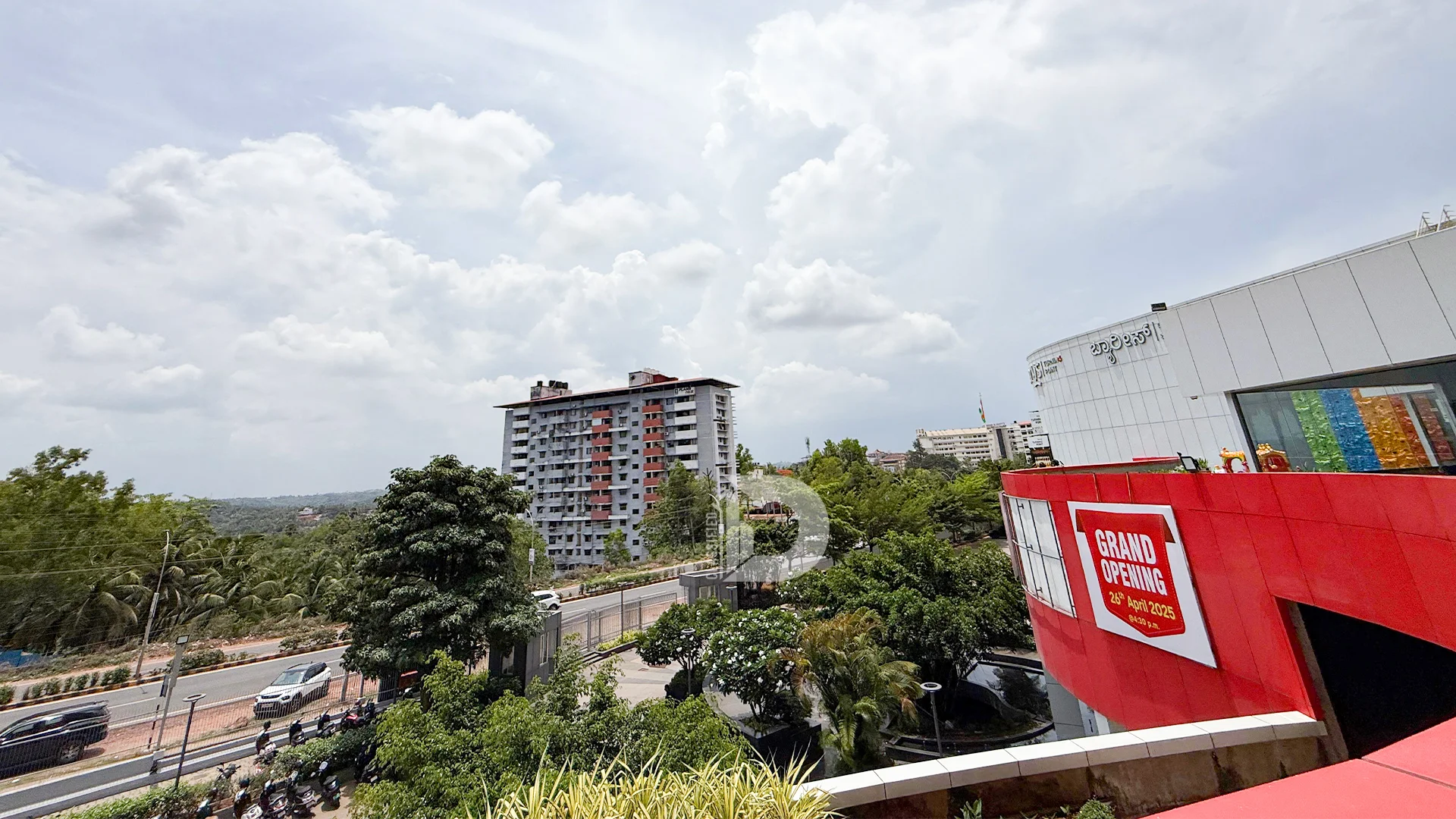
Comparing Deralakatte With Nearby Suburbs
Over the past few years, Deralakatte has emerged as one of the most recognized suburbs in South Mangalore. From educational excellence to healthcare services and residential convenience, Deralakatte has rapidly transformed into a prime location for students, working professionals, and families.
But how does Deralakatte truly compare with its nearby suburbs such as Thokkottu, Ullal, Konaje, and Kotekar? In this blog, we’ll explore the differences and similarities that set Deralakatte apart, focusing on what makes it a standout choice for those looking to live, work, or study in the region.
1. Educational Infrastructure
One of the most significant factors contributing to the rise of Deralakatte is its dense concentration of reputed educational institutions. Universities and colleges here have not only grown in infrastructure but also in global recognition.
Deralakatte:
- Home to Yenepoya University, KS Hegde Medical Academy, and NITTE University
- Attracts thousands of national and international students annually
- Extensive student facilities including hostels, PG accommodations, and libraries
Nearby Suburbs:
- Konaje hosts Mangalore University, which is prominent but located in a more rural setting
- Thokkottu and Ullal lack major universities and instead rely on smaller colleges
Conclusion: Deralakatte is the dominant academic hub compared to its neighbors, offering more extensive and modern educational facilities.
2. Healthcare Accessibility
Healthcare is another sector where Deralakatte clearly leads. Over the last decade, the suburb has become a medical hotspot, with institutions offering both general and specialized healthcare.
Deralakatte:
- Houses KS Hegde Hospital and Yenepoya Medical College Hospital
- Equipped with 24/7 emergency services, multi-specialty clinics, and research centers
- Attracts medical tourism from surrounding districts
Nearby Suburbs:
- Thokkottu has a few clinics and pharmacies but lacks large hospitals
- Ullal and Kotekar offer basic healthcare but depend on Deralakatte or Mangalore city for serious medical care
Conclusion: For reliable and advanced healthcare, Deralakatte stands out from surrounding areas.
3. Real Estate and Housing
The real estate boom in Deralakatte has made it a magnet for both short-term tenants and long-term homeowners. From high-rise apartments to student PGs, Deralakatte offers a wide range of housing options.
Deralakatte:
- Rapid development of residential layouts and gated communities
- Student-friendly PGs and rentals near campuses
- Strong real estate interest due to institutional presence
Nearby Suburbs:
- Thokkottu offers more commercial real estate due to its location on NH-66
- Ullal and Konaje have slower housing growth and fewer modern complexes
Conclusion: In terms of residential growth and accommodation diversity, Deralakatte outperforms its neighboring suburbs.
4. Lifestyle and Amenities
A locality’s appeal often depends on how well it caters to everyday living—shopping, dining, entertainment, and fitness. Deralakatte has seen steady growth in lifestyle services tailored especially for students and young professionals.
Deralakatte:
- Increasing number of cafés, restaurants, supermarkets, and gyms
- Growing nightlife options geared toward students and professionals
- Quiet, safe, and student-centric environment
Nearby Suburbs:
- Thokkottu has more transport-linked commercial activity but lacks a campus-town vibe
- Ullal and Kotekar are more traditional in lifestyle offerings, with fewer modern amenities
Conclusion: Deralakatte is better suited for those looking for a balanced suburban lifestyle with access to modern comforts.
5. Connectivity and Transportation
Transport links play a major role in the livability of any suburb. Deralakatte has improved its internal roads, while its proximity to NH-66 via Thokkottu and Pumpwell ensures regional connectivity.
Deralakatte:
- Well-connected by city buses to Mangalore city and nearby junctions
- Improved internal roads, especially around campuses
- Auto-rickshaw and cab availability around the clock
Nearby Suburbs:
- Thokkottu has excellent highway connectivity but lacks internal road infrastructure
- Konaje and Kotekar have fewer transport options and are less accessible for outsiders
Conclusion: Deralakatte offers a good balance of local and city connectivity, especially for students and hospital-goers.
6. Safety and Community
The presence of educational and healthcare institutions has indirectly improved the safety standards of Deralakatte. Community policing and university security make the suburb relatively safer than some nearby areas.
Deralakatte:
- Active campus security
- Safer streets due to continuous student and hospital traffic
- Peaceful environment with low crime rates
Nearby Suburbs:
- Ullal and Kotekar have larger, less monitored rural areas
- Thokkottu, being a highway junction, sees more transient traffic
Conclusion: Deralakatte offers a more secure and community-friendly environment for long-term living.
Final Verdict
When comparing Deralakatte with nearby suburbs such as Thokkottu, Ullal, Kotekar, and Konaje, it’s clear that Deralakatte emerges as a leader in multiple domains:
- Education
- Healthcare
- Residential quality
- Safety
- Lifestyle amenities
Its evolution into a well-rounded, student-oriented suburb gives it a competitive edge. While neighboring suburbs have their own strengths—like Thokkottu’s connectivity or Konaje’s open spaces—none match the holistic appeal of Deralakatte.
Conclusion
In just a few years, Deralakatte has achieved what many suburbs take decades to develop. It has found the perfect intersection between academic excellence, modern healthcare, livable housing, and everyday convenience. Whether you’re a student, medical professional, or someone looking for a quieter suburb in Mangalore, Deralakatte stands out as a smart, future-ready choice.