
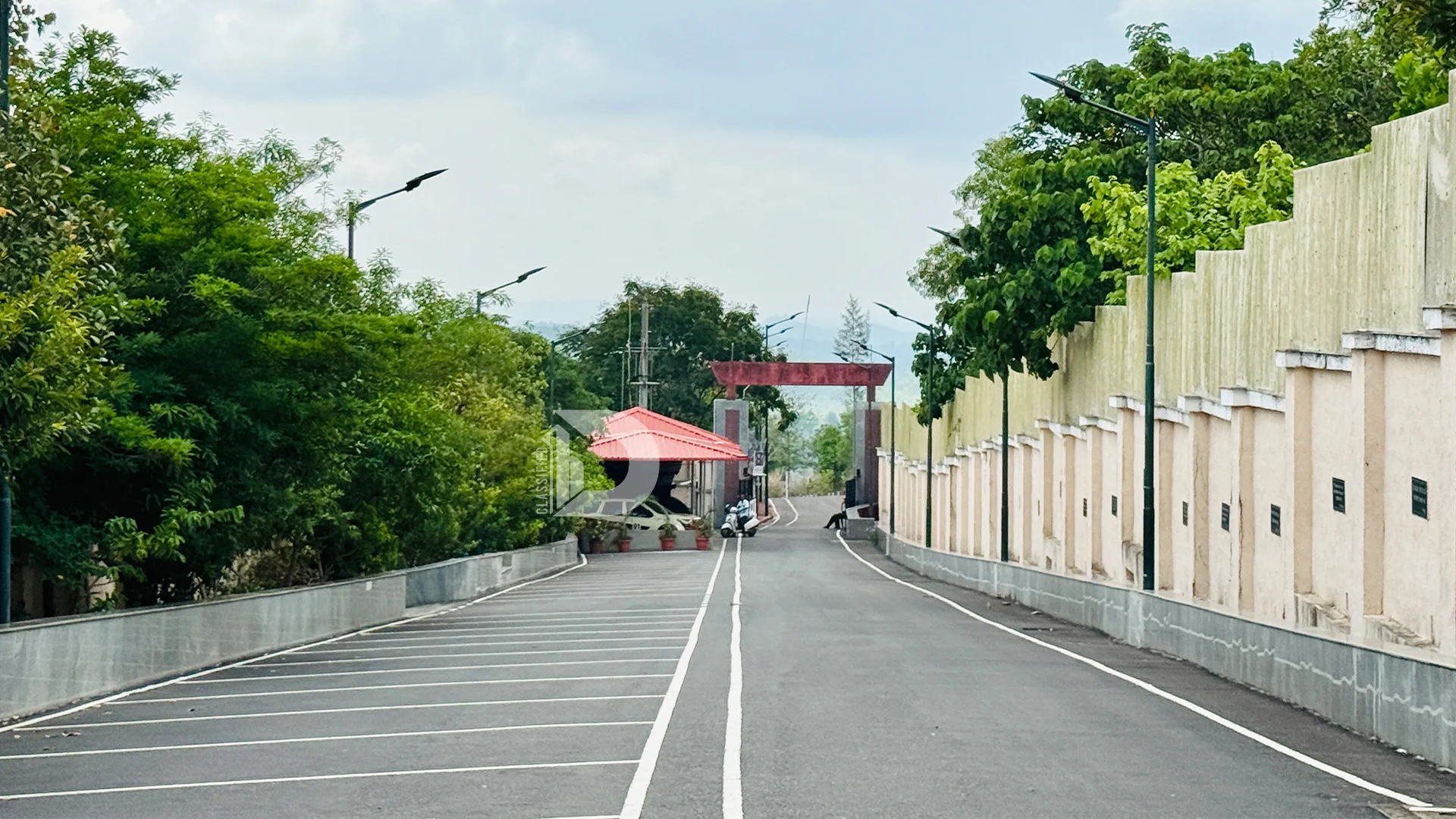
Are There Parks or Open Recreational Spaces in Deralakatte?
Deralakatte is best known as a dynamic suburb of Mangalore that has grown rapidly due to its thriving educational and healthcare ecosystem. With several universities, hospitals, and residential developments, Deralakatte has become a magnet for students, healthcare professionals, and young families. But with urban growth comes the question: Are there enough parks or open recreational spaces in Deralakatte?
In this blog, we’ll explore the current state of green spaces in Deralakatte, what options are available to residents and visitors, and how the suburb is developing to support a more balanced, livable environment.
The Urban Nature of Deralakatte
Before diving into the availability of parks, it’s important to understand the landscape of Deralakatte. This suburb is primarily urban in nature, with dense clusters of educational institutions, hostels, apartments, and healthcare centers. The presence of universities such as Yenepoya and KS Hegde Medical Academy dominates the area’s layout, leaving limited space for large-scale public parks.
However, Deralakatte has not been completely deprived of open areas. Instead of traditional public parks, the area provides access to semi-public and private green spaces, especially within campuses and residential complexes.
University Campuses as Green Havens
One of the standout features of Deralakatte is the green and well-maintained campuses of its universities. For instance:
- Yenepoya University Campus boasts tree-lined paths, manicured lawns, and serene spaces for students and staff.
- KS Hegde Medical Academy also maintains open spaces that include walking paths, shaded seating, and gardens.
While these areas are primarily for institutional use, they offer a sense of openness and natural calm within the bustle of Deralakatte. Students and faculty benefit from these green zones, making the campuses a sort of substitute for public parks.
Residential Layouts with Recreational Facilities
With the growing population in Deralakatte, several gated communities and apartment complexes have emerged. Developers are increasingly incorporating small-scale parks and play areas within these residential units. These include:
- Children’s playgrounds
- Jogging tracks
- Community gardens
- Outdoor seating areas
Though private, these amenities significantly enhance the quality of life for residents. Families and working professionals living in these communities often find comfort in these spaces, even if they are not public parks in the traditional sense.
Nearby Natural Attractions
While Deralakatte itself lacks large public parks, it is strategically located near some of Mangalore’s most beautiful natural spots. A short drive from the suburb will take you to:
1. Someshwara Beach (Approx. 7–8 km away)
Known for its scenic beauty and tranquil ambiance, this beach offers an ideal recreational escape for the people of Deralakatte. Walking along the shoreline or enjoying a picnic here is a popular weekend activity.
2. Ullal Beach (Approx. 10–12 km away)
Another nearby destination, Ullal Beach provides a peaceful environment with open skies and fresh sea breeze—perfect for an evening stroll or group outing.
3. Mangalore University Campus (Konaje)
Though not part of Deralakatte, the Mangalore University campus is close by and offers expansive open land, tree cover, and walking areas that are sometimes accessible to the public.
These nearby options complement Deralakatte’s urban setting and provide residents with alternatives for open-air recreation.
Recreational Activities in Deralakatte
Even without large public parks, Deralakatte does offer pockets of recreational options:
- Gyms and fitness centers: Many of the residential buildings and local businesses include modern fitness facilities.
- Cafés with outdoor seating: The student population has inspired a rise in cafés that feature small open-air areas, offering relaxed social spaces.
- Sports facilities: Some campuses include basketball courts, football grounds, and indoor sports centers accessible to students and staff.
These facilities create a recreational culture in Deralakatte, even if formal public parks are still developing.
Community Initiatives and Future Possibilities
Given the growth of Deralakatte, there is increasing awareness about the need for public green spaces. Community groups and local authorities have discussed the development of mini-parks, walking paths, and green corners to serve the growing residential population.
Urban planners are now considering integrating more sustainable designs into the area. Some future-focused ideas for Deralakatte include:
- Green rooftops and vertical gardens in residential buildings
- Publicly accessible community parks
- Eco-friendly campus extensions with shared green zones
- Roadside tree planting to enhance shade and walkability
Such developments will further improve Deralakatte’s image as a balanced, student-friendly suburb.
Final Thoughts
While Deralakatte may not currently boast large public parks, it is by no means lacking in recreational value. The green campuses, residential layouts, and proximity to coastal escapes offer plenty of open spaces for relaxation and activity. As Deralakatte continues to expand, more structured efforts toward public green space are likely to emerge.
For now, the blend of semi-public areas, nearby beaches, and growing residential infrastructure make Deralakatte a promising suburb that understands the importance of open and recreational spaces—even amid rapid urbanization.