
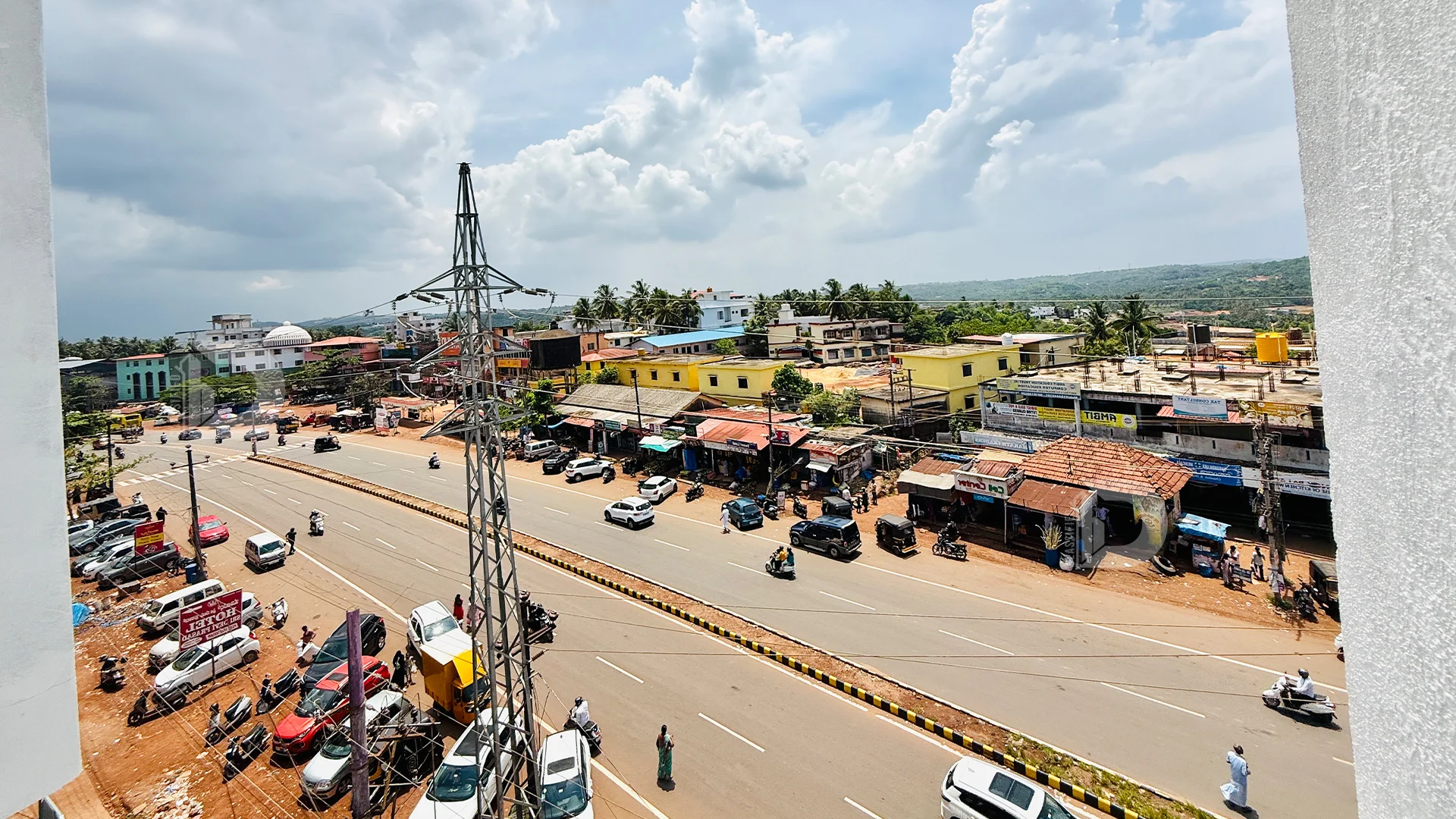
General Public Attitude and Lifestyle Observations
Deralakatte, a prominent suburb of Mangalore, is no longer just a quiet corner in the coastal Karnataka region. Over the past decade, it has evolved into a bustling center for academics, healthcare, and residential life. With this growth, the general public attitude and lifestyle in Deralakatte have taken on a unique character — one that balances coastal calm with youthful energy.
This blog offers an in-depth look into the everyday life of the people in Deralakatte. From how residents interact, to how students and professionals coexist, we observe what makes the public lifestyle in Deralakatte both harmonious and evolving.
A Community Built on Calm and Respect
One of the first things you’ll notice about Deralakatte is the calm, respectful attitude of its residents. Most of the local population includes native Tulu, Kannada, and Konkani-speaking communities who are deeply rooted in traditions of hospitality and humility.
Whether it’s a small tea shop or a large medical institution, you’ll often be greeted with a warm smile and a helpful tone. This positive public demeanor helps foster a peaceful environment despite the busy student influx.
Locals are generally supportive of newcomers, especially students and professionals from other states, creating a welcoming community atmosphere.
Lifestyle Anchored in Academia and Health
The general lifestyle in Deralakatte has been shaped significantly by the presence of major academic and medical institutions like NITTE University, Yenepoya University, KSHEMA, and Father Muller Homeopathic Medical College.
With students from all over India and abroad residing in Deralakatte, the suburb operates on a rhythm that revolves around class schedules, hostel routines, hospital shifts, and campus events.
You’ll often find people walking to college, sharing auto rides, grabbing quick meals at food stalls, or studying in cafes — giving Deralakatte the look and feel of a semi-urban college town with a strong academic heartbeat.
Balanced Blend of Modern and Traditional Living
Despite modern development, Deralakatte retains its traditional charm. Locals still visit temples early in the morning, small vendors sell fresh produce from pushcarts, and cultural practices like Bhoota Kola and Yakshagana remain an integral part of public life.
At the same time, the younger crowd brings in modern influences. Students often frequent cafés with Wi-Fi, branded food joints, and shopping outlets, making Deralakatte a place where modern student lifestyle meets coastal simplicity.
This coexistence of old and new is what makes daily life in Deralakatte appealing to a wide demographic — from retired locals to young undergraduates.
Social Interactions: Friendly but Private
When it comes to public attitude, the people of Deralakatte strike a balance between friendliness and privacy. While neighbors greet each other and small talk is common in shops and rickshaws, locals also respect personal space and privacy.
This is especially helpful for students and working individuals living in hostels or rented homes. There is rarely any nosy interference, yet people are quick to help during emergencies or festivals. It’s a silent code of peaceful coexistence that defines public behavior in Deralakatte.
Leisure and Recreation Habits
Deralakatte does not have malls or multiplexes in abundance, but people here have adapted with small pleasures. Students often hang out at cafes, juice stalls, or the beach — Someshwara and Ullal beaches being the closest options for a weekend getaway.
Locals engage in simple recreational habits — morning walks, visits to temples, local street food runs, or evening chats in front of their homes. This minimalistic approach to leisure keeps life grounded and stress-free.
Festivals and college cultural events also serve as major recreational outlets, and everyone participates — students, teachers, families, and shopkeepers alike.
Transportation and Commuting Behavior
Public transportation in Deralakatte is largely limited to auto-rickshaws, shared autos, and private two-wheelers. Most people are used to walking small distances or using shared autos to move between campuses and residential areas.
Locals are accustomed to Deralakatte’s traffic pattern — slower-paced and relatively manageable. There is mutual understanding between pedestrians and drivers, though infrastructure challenges sometimes cause minor inconveniences.
Still, the general public attitude remains patient and adaptive, a trait common across many coastal towns.
Food Preferences and Eating Out Culture
The lifestyle in Deralakatte includes a mix of home-cooked meals and budget-friendly eating out. Students mostly look for affordable meals — from canteen food to local tiffin centers and quick bites at bakery outlets.
Local residents prefer traditional cuisines — rice, fish curry, neer dosa, and upma. During weekends, it’s common to see families visiting nearby coastal eateries while students might head to multi-cuisine restaurants.
Street food stalls are also popular among all age groups, especially in the evenings. Yet, cleanliness and quality are generally upheld, thanks to community standards and college regulations.
Public Safety and Cleanliness
Deralakatte is considered relatively safe. Petty thefts are rare, and the community is watchful without being overbearing. Hostels and apartment complexes often have security, and local authorities are responsive to concerns.
Public cleanliness is maintained decently, with garbage collection services operating regularly. Educational institutions have also launched awareness programs to promote eco-conscious behavior, further improving the lifestyle quality in Deralakatte.
Conclusion: The Evolving Spirit of Deralakatte
The general public attitude and lifestyle in Deralakatte represent a unique mix of coastal values, academic discipline, and urban development. Whether it’s the helpful shopkeeper, the curious student, or the spiritual elder attending temple rituals — everyone contributes to a culture of peaceful living and mutual respect.
As Deralakatte continues to grow in infrastructure and population, its public mindset remains a shining example of how progress and tradition can thrive together.