
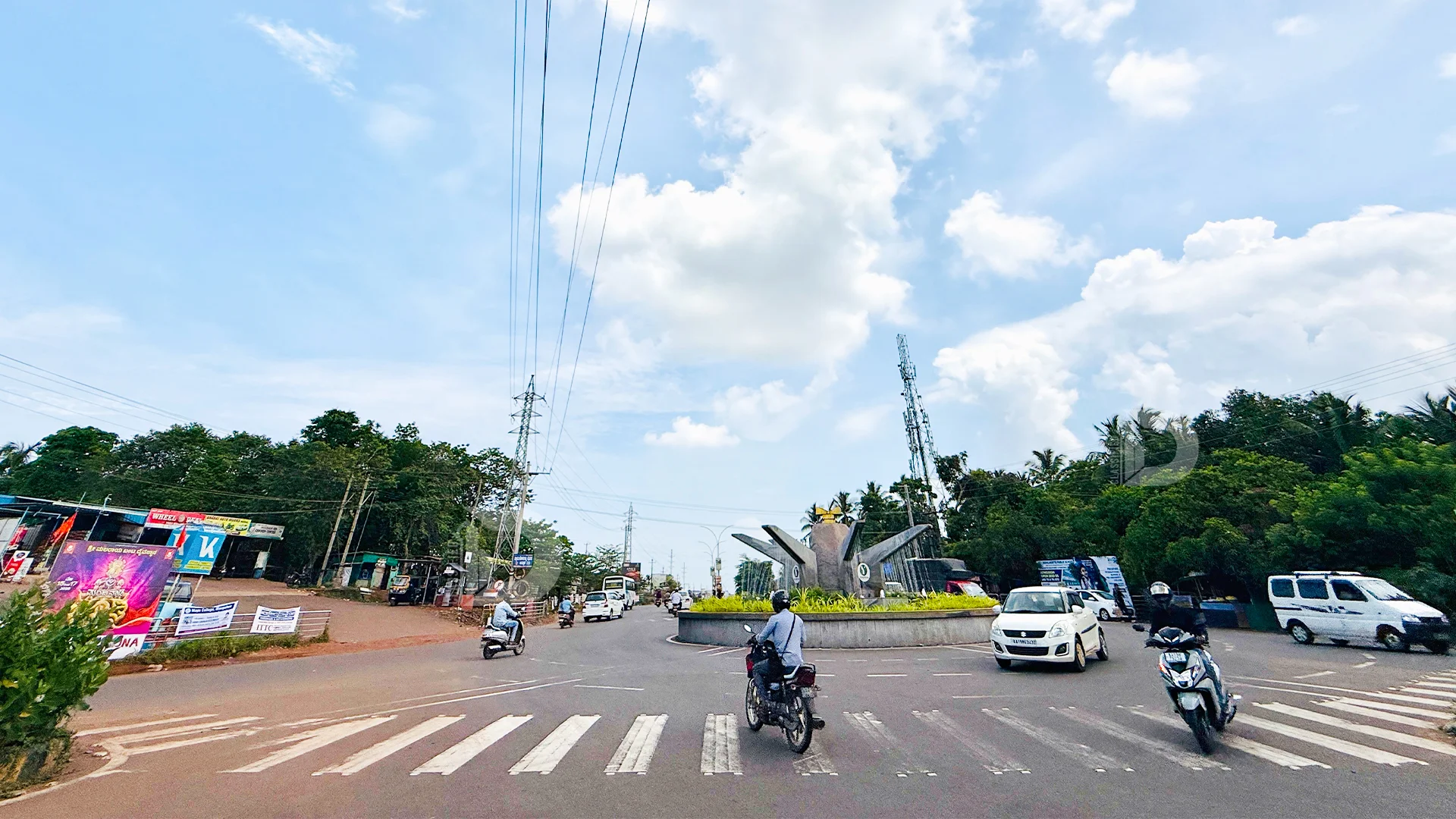
How Deralakatte Maintains Its Traditional Roots
Deralakatte, a thriving suburb of Mangalore, has rapidly evolved into a hub for students, healthcare professionals, and urban settlers. While it embraces development and modernization, what truly sets Deralakatte apart is its ability to preserve and honor its traditional roots amidst this progress.
This blog explores how Deralakatte continues to maintain its cultural and historical identity, even as it becomes more globally connected through education and commerce.
A Quick Glimpse into Deralakatte’s Background
Situated in coastal Karnataka, Deralakatte was once a quiet, rural village surrounded by greenery and dotted with traditional homes. Over the years, it has transformed into a suburban extension of Mangalore, largely due to the rise of educational institutions and healthcare centers.
Despite the rapid change, the soul of Deralakatte remains deeply rooted in tradition—in its architecture, religious practices, festivals, food, and community life.
Language and Communication
One of the most visible ways Deralakatte preserves its traditional roots is through language. Tulu and Kannada remain widely spoken by locals, and many residents continue to use regional dialects in daily communication.
Even with the influx of students from different states and countries, local shops, transport workers, and elders maintain traditional expressions, giving newcomers an opportunity to immerse in authentic coastal culture.
Traditional Architecture Amid Modern Structures
While new buildings, apartments, and hospitals dominate much of Deralakatte’s skyline today, you’ll still find:
- Tiled-roof homes with inner courtyards
- Laterite stone walls that naturally cool during summers
- Wood-carved door frames and balconies reflecting local craftsmanship
These older structures, often tucked between new developments, stand as silent guardians of Deralakatte’s architectural heritage.
Celebrating Local Festivals
Deralakatte takes immense pride in its traditional festivals, and celebrations here are vibrant, inclusive, and spiritually significant. Among the most important are:
- Dasara and Diwali: Marked by traditional lamps, folk dances, and temple visits.
- Ugadi: Celebrated with rituals, symbolic foods, and community feasts.
- Monti Fest: A popular harvest festival among the Christian community, celebrating nature, family, and food.
These festivals are not just religious—they are social and cultural events that connect generations, ensuring that younger residents grow up with a deep respect for their roots.
Culinary Traditions That Never Fade
Despite the availability of global cuisines, Deralakatte’s traditional food continues to hold a special place. Households and local eateries proudly serve dishes such as:
- Neer dosa (thin rice pancakes)
- Fish curry and sukka (dry coconut-based preparations)
- Kori rotti (crispy rice wafers with spicy chicken curry)
- Pathrode (steamed colocasia leaf rolls with spices)
These recipes are often passed down through generations and are a daily reminder of Deralakatte’s rich coastal heritage.
Local Markets and Traditional Crafts
Traditional shopping practices are still very much alive in Deralakatte:
- Weekly vegetable and fish markets are preferred by many over supermarkets.
- Locally made earthen pots, hand-woven mats, and coconut-based products are sold in roadside stalls.
- Gold and silk shops catering to ceremonial traditions are still considered valuable assets by local families.
Such markets serve as more than just economic centers—they are community gathering spots that keep traditions intact.
Spiritual Spaces and Daily Rituals
Deralakatte is home to a variety of temples, mosques, and churches that act as pillars of traditional life. These religious spaces:
- Host daily prayers, rituals, and festivals
- Support community events and charity initiatives
- Offer a sense of stability and identity to long-term residents
Students and newcomers often join in these observances, creating a bridge between tradition and modern life.
Traditional Attire and Cultural Pride
Though western and modern attire is common among students and working professionals, traditional clothing remains dominant among local residents. Sarees, mundus, and kurtas are worn proudly, especially during religious occasions or social functions.
Cultural pride is also instilled through:
- Local dance forms like Yakshagana being performed during events.
- Storytelling and folk songs that are still taught in schools or during festivals.
These activities ensure that even as trends change, the cultural DNA of Deralakatte stays intact.
Community Bonds and Generational Ties
What truly strengthens the traditional fabric of Deralakatte is its close-knit community life. Families often live across generations in the same neighborhood, passing down not just homes but also values.
Even newcomers—whether students or professionals—are often welcomed into these communities with warmth, experiencing firsthand the hospitality and depth of tradition that defines Deralakatte.
Balancing Tradition and Growth
Deralakatte’s unique position today is not about resisting change, but about embracing progress without losing identity. Some practices helping to achieve this balance include:
- Encouraging local culture days in educational institutions
- Promoting native food and crafts through events and pop-up fairs
- Supporting green practices aligned with traditional respect for nature
This thoughtful balance allows Deralakatte to thrive as a modern suburb while retaining its cultural heritage.
Final Thoughts
Deralakatte is more than just a destination for education or healthcare—it’s a living, breathing example of how a place can grow forward without leaving its roots behind. Whether it’s through language, food, festivals, or community values, Deralakatte proves that tradition is not something to be preserved in isolation but to be lived with pride every day.
For anyone moving here or planning to explore its lifestyle, understanding how Deralakatte holds on to its traditional roots is essential to truly appreciating its charm.