
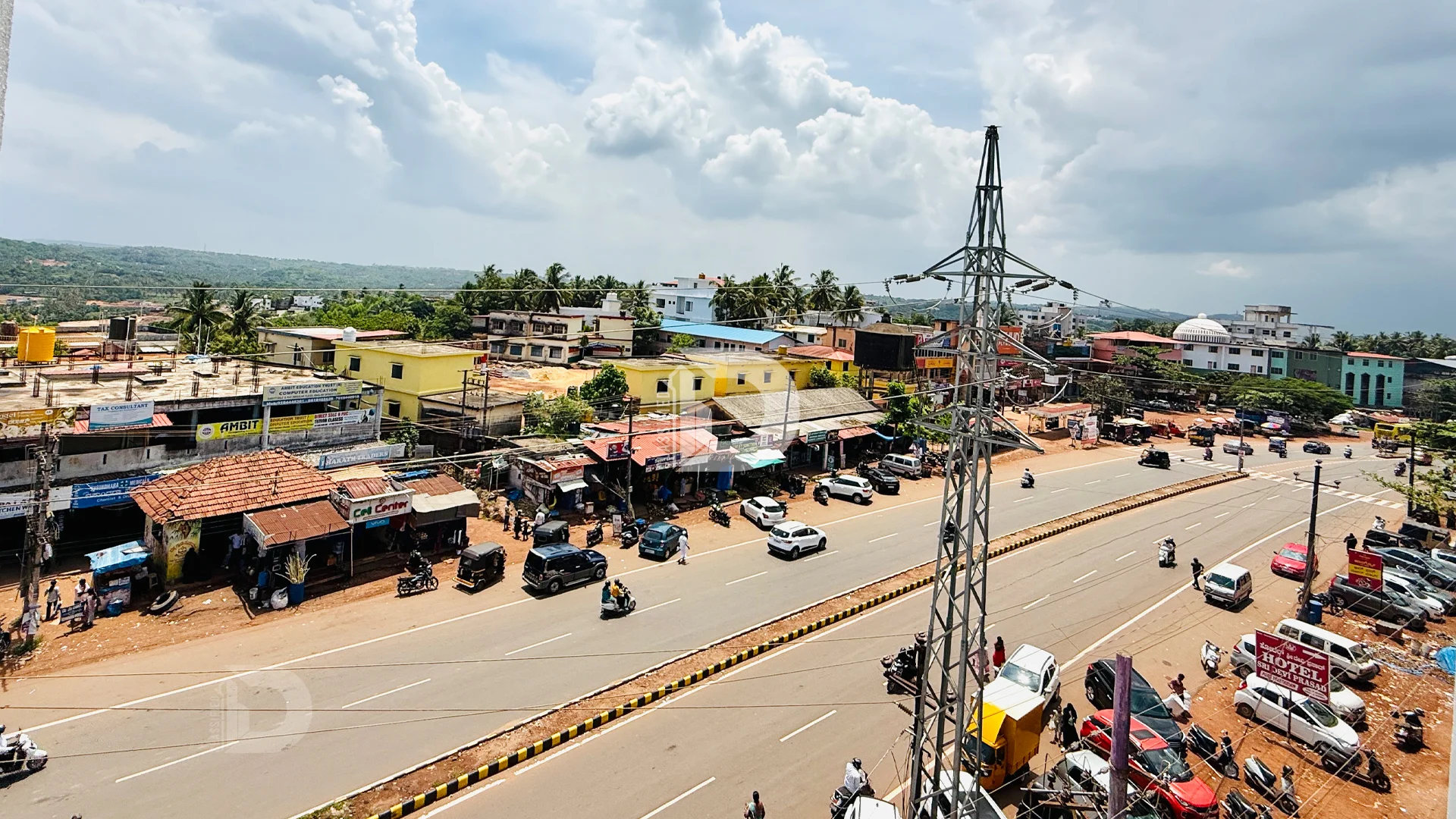
The Role of Shared Autos and Rickshaws in Daily Travel at Deralakatte
Nestled in the southern part of Mangalore, Deralakatte has grown into a vibrant locality dominated by academic institutions, hospitals, and student life. As the population here continues to rise, so does the demand for reliable, affordable, and convenient local transport. While buses and private vehicles serve a purpose, shared autos and rickshaws have become the unsung heroes of daily commuting in Deralakatte.
From students trying to get to class on time to hospital staff changing shifts, shared autos and rickshaws offer a level of accessibility that formal transit systems often can’t match. In this blog, we explore how they shape daily mobility across Deralakatte and why they remain indispensable.
Why Shared Autos and Rickshaws Are So Popular in Deralakatte
In Deralakatte, the streets are always buzzing—with students heading to universities, patients visiting hospitals, and residents going about their day. Unlike larger cities with more extensive public transport systems, Deralakatte still leans heavily on informal yet efficient commuting options.
Here’s why shared autos and rickshaws stand out:
1. Affordability
Shared autos offer rides at budget-friendly prices, making them the preferred choice for students and daily wage earners. A short commute of 2–4 kilometers can cost as little as ₹10–₹20 per person, which is much cheaper than solo rides or private cabs.
2. Accessibility
These vehicles are available throughout the day and at multiple locations, including:
- University entrances
- Hospital gates
- Crossroads and junctions like Thokkottu and Konaje
- Local markets
You don’t need a mobile app or a pre-booked slot—just wave one down and hop in.
3. Frequency
Unlike buses with fixed schedules, shared autos and rickshaws are always on the move. Their high frequency means you rarely have to wait more than a few minutes to catch one, especially during peak hours.
Common Routes Covered by Shared Autos in Deralakatte
Shared autos typically follow well-traveled local routes, which makes them highly efficient. Some of the most common ones include:
- Deralakatte to Thokkottu Junction
- Deralakatte to Kotekar or Konaje
- Deralakatte to Pumpwell and city outskirts
- Interior colonies and residential zones to main roads
These routes connect key touchpoints within Deralakatte, ensuring that no matter where you stay, you can find quick transport without relying on a personal vehicle.
Safety and Etiquette in Shared Auto Travel
While shared auto commuting is mostly smooth, here are a few tips to ensure a safe and comfortable ride in Deralakatte:
- Travel with smaller notes or change for quick transactions.
- Always confirm the route and destination with the driver before boarding.
- Don’t overcrowd—most autos seat 3–4 passengers at a time.
- If you’re commuting late at night, try to travel with company or use a personal rickshaw instead of a shared one.
The drivers are typically locals who know Deralakatte inside and out. This makes them reliable guides for newcomers still getting familiar with the area.
Rickshaws for Personalized Travel
While shared autos work well for regular commuting, sometimes you need a bit more flexibility. That’s where traditional rickshaws come in.
They’re ideal for:
- Quick trips with luggage
- Visiting areas not served by public autos
- Late-night or early morning travel
- Medical visits or emergencies
You can find them parked near major institutions and markets. Many drivers now also accept UPI payments, adding to the convenience.
Environmental Impact and Local Economy
Shared autos and rickshaws play a vital role in sustainable urban mobility. By carrying multiple passengers in a single trip, they reduce the need for individual vehicles, which in turn:
- Cuts down on fuel consumption
- Lowers overall emissions
- Reduces traffic congestion in Deralakatte’s narrow lanes
Moreover, these vehicles support local livelihoods. Many drivers are residents of Deralakatte or nearby villages, and this mode of transport provides stable income for their families.
Challenges Faced by Commuters
While shared autos and rickshaws offer many benefits, a few challenges remain:
- Unregulated pricing during peak hours or bad weather
- Occasional lack of service at night
- No real-time tracking or app-based system, making it harder for first-time users to plan ahead
Despite these, most residents and students in Deralakatte find workarounds and continue to rely on these vehicles for day-to-day travel.
Future of Shared Travel in Deralakatte
With Deralakatte’s continued growth as an educational and healthcare hub, there’s a rising demand for more structured yet flexible transportation options. There is potential for:
- App-based shared auto booking services
- Better signage at shared auto stands
- Coordination with local traffic authorities for better flow and safety
Until then, the local auto and rickshaw network will remain the backbone of Deralakatte’s transport ecosystem.
Final Thoughts
If you’re planning to live, study, or work in Deralakatte, don’t underestimate the value of shared autos and rickshaws. They are more than just a ride—they are a community-driven, hyperlocal mode of transport that makes everyday life in Deralakatte more accessible and affordable.
Whether you’re heading to class, running errands, or catching a bus out of town, these vehicles will likely be a part of your daily journey in Deralakatte.