
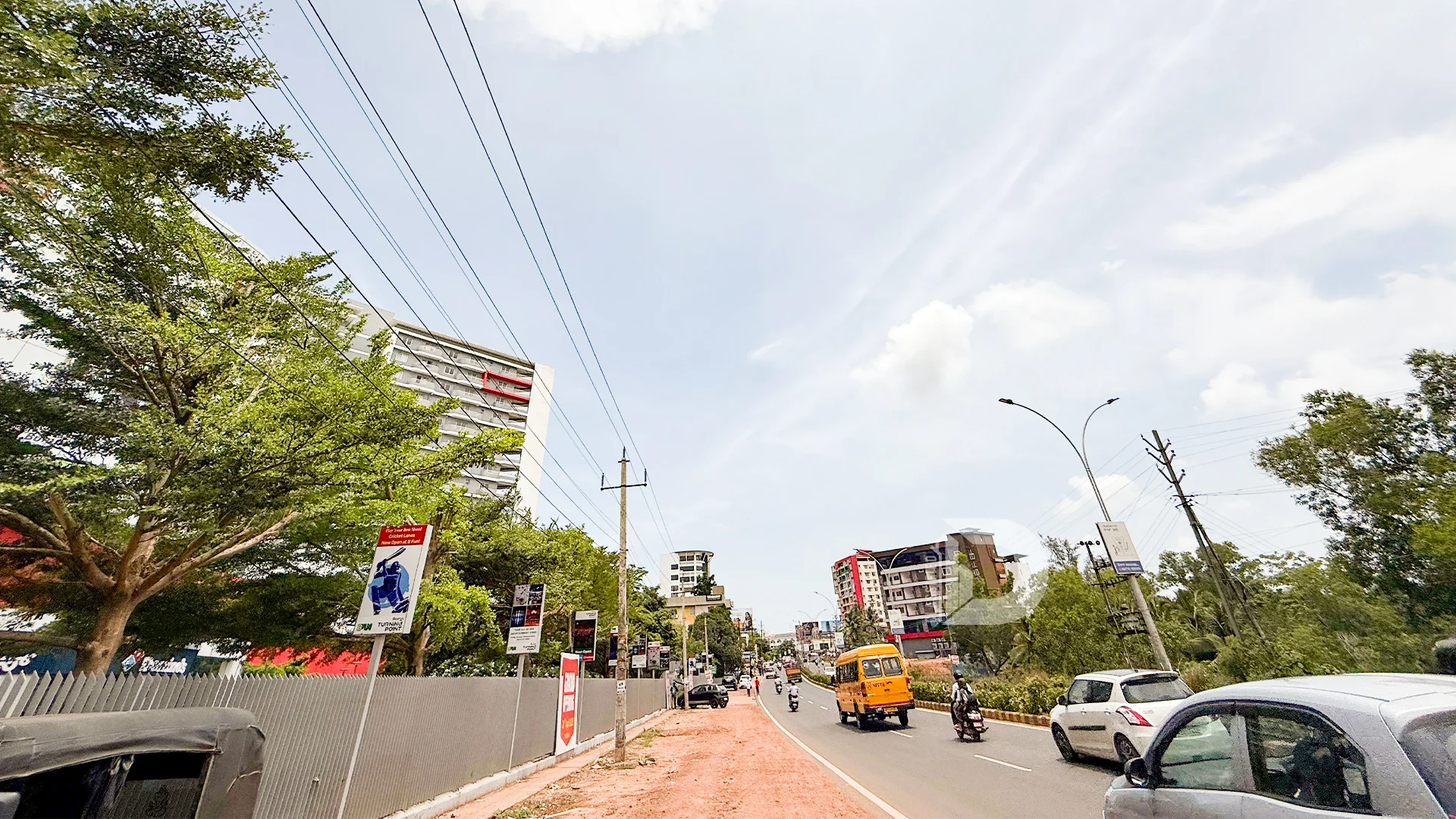
Most Common Modes of Transport in Deralakatte
Deralakatte, a bustling and ever-growing suburb of Mangalore, is known for its reputation as an academic and healthcare hub. With several top universities, medical colleges, and hospitals located within close proximity, Deralakatte attracts a large number of students, professionals, and families from across the country.
As the area continues to develop, so do the transportation options available. Understanding the most common modes of transport in Deralakatte can help residents and visitors plan their daily commute efficiently, save time, and navigate the area with ease.
1. Local Buses: The Backbone of Deralakatte Transport
Public transport plays a crucial role in Deralakatte’s connectivity. The most used and affordable option is the city’s network of buses. Operated by both private companies and government (KSRTC), these buses connect Deralakatte to surrounding areas like:
- Mangalore city
- Konaje
- Pumpwell
- Ullal
- Kotekar
Buses are usually available at frequent intervals and are the go-to choice for students commuting to Mangalore University or professionals traveling into the city. Routes are well-marked, and locals are usually helpful in guiding new passengers.
Advantages:
- Affordable fare
- Regular timings
- Broad coverage within the region
Considerations:
- Crowded during peak hours
- Delays during rainy seasons
2. Auto-Rickshaws: Quick and Convenient
Auto-rickshaws are another popular mode of transport in Deralakatte, especially for short distances or for those traveling in a group. You can spot autos near major junctions, colleges, hospitals, and shopping areas.
Though autos in Deralakatte may not always run on meters, fare negotiation is common and expected. They are ideal for reaching locations that are slightly off the main road or for people in a hurry.
Why Choose Autos:
- Easily available
- Door-to-door service
- Good for narrow or interior lanes
Pro Tip: Always agree on the fare before starting the ride to avoid surprises.
3. Walking: The Daily Routine for Many
Due to its compact layout, walking is one of the most common and practical ways to get around Deralakatte. Students, hospital visitors, and residents often prefer to walk to nearby cafes, stores, or classes.
Most educational institutions, hostels, eateries, and pharmacies are within walking distance of each other. While sidewalks are available on main roads, some inner lanes may lack proper pedestrian paths, so extra caution is advised.
Benefits of Walking in Deralakatte:
- Healthy and eco-friendly
- Zero cost
- Convenient for short errands
Tip: Comfortable footwear and hydration are important, especially during Mangalore’s hot months.
4. Two-Wheelers: A Student Favorite
If there is one transport mode that defines student life in Deralakatte, it’s the two-wheeler. Many college-goers and residents rely on bikes or scooters to move swiftly between classes, cafes, clinics, and hostels.
There are multiple parking areas near institutions, and petrol stations are also accessible. With minimal traffic on inner roads, two-wheelers are a fast and efficient way to travel in Deralakatte.
Key Advantages:
- Saves time
- Ideal for solo travelers
- Easy to maneuver in narrow streets
Helmets are mandatory, and safety should never be compromised.
5. App-Based Ride Services (Ola/Uber/Rapido)
In recent years, Deralakatte has seen a rise in app-based ride services like Ola, Uber, and Rapido (bike taxis). While availability can fluctuate during peak hours or bad weather, these services offer a convenient alternative to autos and buses, especially for those new to the area.
Users can book rides to nearby towns, bus stations, and even the Mangalore Airport. Prices are generally affordable and transparent.
What’s Great:
- App-based convenience
- Cashless payment options
- Live GPS tracking
Downside: May not be consistently available late at night or in remote spots.
6. Cycling: Gaining Popularity for Health and Convenience
With increasing awareness of fitness and sustainability, cycling is becoming a growing trend in Deralakatte. Students and professionals alike are starting to use bicycles for daily commutes within the locality.
Given the relatively flat terrain and short distances between key areas, cycling is both practical and eco-friendly. Some colleges even provide bicycle stands for students.
Why It Works:
- Saves money and time
- Great for health
- Avoids traffic congestion
Investing in a good lock and wearing a helmet are essential for safety.
7. Private Cars: Comfortable but Less Common for Short Commutes
Though some residents and professionals use personal cars in Deralakatte, they are less common for short distances due to limited parking and narrow lanes. However, families or long-term residents may use cars for shopping trips, outstation travel, or emergencies.
Pros:
- Comfort and privacy
- Best for family travel or emergencies
Cons:
- Congestion in small lanes
- Parking difficulty in peak areas
Final Thoughts
Understanding the most common transport modes in Deralakatte is essential for navigating daily life, especially if you’re new to the suburb. From walking and cycling to buses and ride apps, Deralakatte offers a mix of traditional and modern options suited for every budget and need.
Whether you’re a student attending lectures, a visitor headed to a medical appointment, or a local out for errands, planning your transport ahead of time can make your experience in Deralakatte smooth and stress-free.
As Deralakatte continues to develop, we can expect even more improvements in public transport, road infrastructure, and shared mobility options that will further enhance daily life in this thriving coastal suburb.