
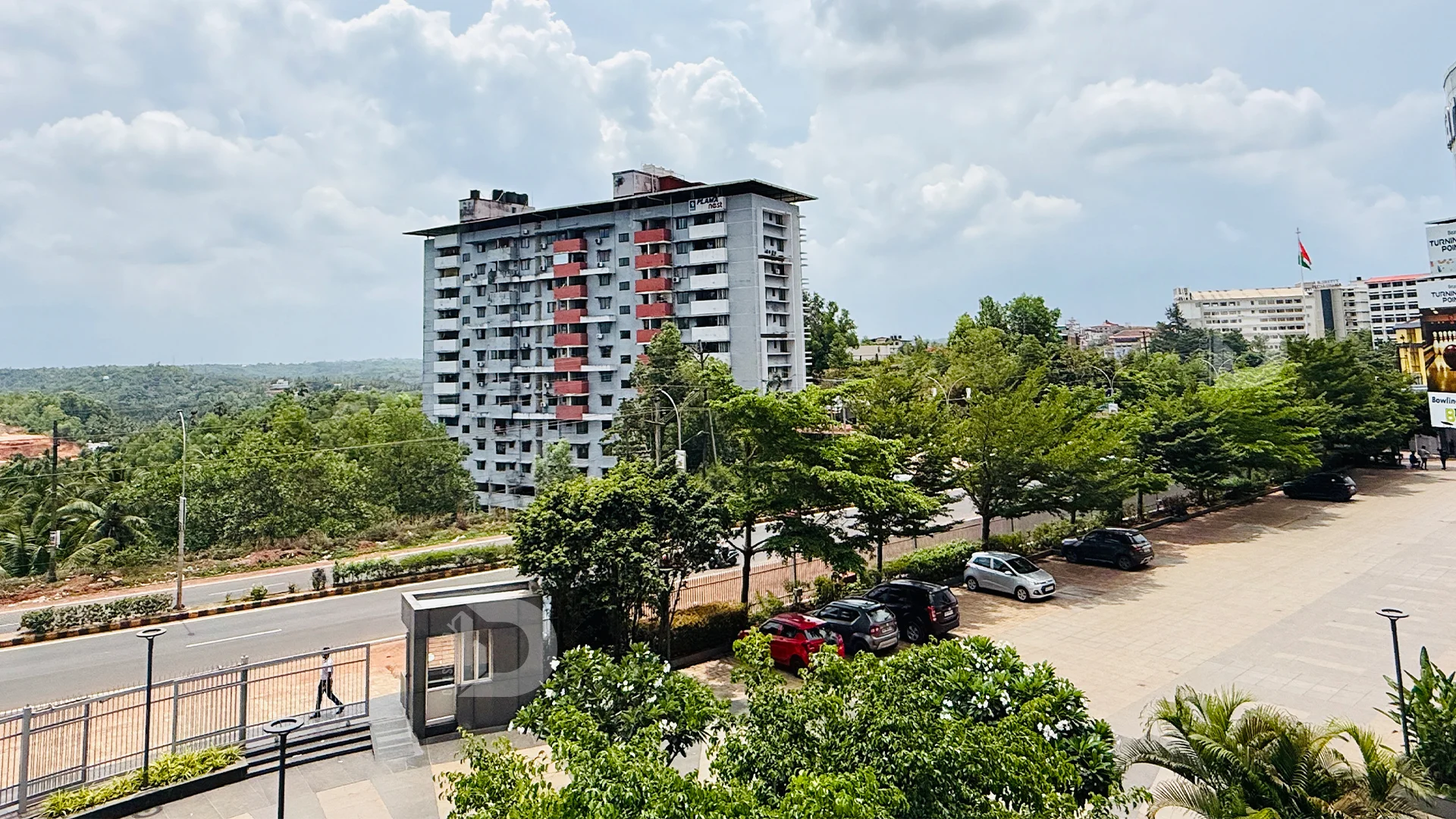
Deralakatte’s Role in Cultural Integration
Deralakatte, a fast-growing suburb in the southern coastal city of Mangalore, is not just known for its educational hubs and medical institutions—it is also becoming a beacon of cultural integration. With its mix of long-time residents, students from across India and abroad, healthcare professionals, and entrepreneurs, Deralakatte offers a unique environment where diverse cultures blend naturally and respectfully.
This seamless integration of cultures is what sets Deralakatte apart. It is not just a place to live or study—it is a community that encourages inclusivity, celebrates differences, and thrives on diversity.
A Multicultural Resident Profile
At the heart of Deralakatte’s cultural integration is its diverse demographic. Students and professionals from various states—Kerala, Maharashtra, West Bengal, Gujarat, Karnataka, and beyond—have found a home here. This influx of individuals from different linguistic, cultural, and religious backgrounds adds layers of richness to the local social fabric.
Unlike bigger cities where communities often remain in silos, Deralakatte fosters everyday interactions between people of different backgrounds. Shared housing complexes, public transportation, eateries, and marketplaces bring together people who might never have crossed paths elsewhere.
Educational Institutions as Cultural Melting Pots
The presence of reputed institutions like NITTE University, Yenepoya University, and Father Muller Medical College brings thousands of students into Deralakatte annually. These campuses serve as cultural melting pots, hosting students from all parts of India and countries such as Nepal, Sri Lanka, Bangladesh, and even Africa and the Middle East.
These institutions actively promote cross-cultural dialogue through:
- Cultural fests and events
- Interfaith celebrations like Diwali, Eid, and Christmas
- Student exchange programs
- Language clubs and intercultural forums
These programs help young adults experience and appreciate cultural differences in a safe, inclusive environment—and they carry these lessons with them long after leaving Deralakatte.
Everyday Cultural Exchange in Deralakatte
Outside campus, cultural integration in Deralakatte plays out in everyday life. Locals and newcomers alike share spaces in:
- Restaurants that serve both local Tulu cuisine and North Indian thalis
- Cafes frequented by both students and working professionals
- Local markets where one can hear Kannada, Malayalam, Hindi, and English spoken in the same breath
Even basic activities like attending a yoga class, shopping for groceries, or commuting in a shared auto-rickshaw lead to casual conversations and cultural learning.
Festive Seasons and Community Participation
Festivals offer some of the most vivid examples of cultural integration in Deralakatte. During festivals, it is common for:
- Students to attend Ganesh Chaturthi celebrations hosted by local families
- Local residents to enjoy Onam sadyas prepared by Malayali students
- Entire apartment communities to organize joint Diwali lighting or Christmas caroling
This intercultural participation fosters understanding and empathy, breaking down stereotypes and creating bonds that extend beyond religious or regional identities.
Local Businesses and Cultural Adaptation
Small businesses in Deralakatte have also adapted to the area’s cultural diversity. For example:
- Restaurants now offer Jain, Halal, and vegetarian meals
- Bakeries and cafes include items inspired by different cuisines
- Local tailors and salons cater to the grooming and dress needs of people from different traditions
This kind of economic and service-based cultural adaptation further illustrates how Deralakatte has learned to serve a multicultural population effectively and respectfully.
Interpersonal Relationships and Friendships
Friendships and roommate relationships in Deralakatte often involve people from different backgrounds. A Tamil student may live with a Punjabi and a local Tulu-speaking youth. These close bonds result in:
- Language sharing: Students learn conversational Kannada while locals pick up Hindi or English slang
- Food exchange: Homemade regional dishes are shared across cultures
- Support systems: Roommates help each other during exams, festivals, or even illnesses
These bonds form the true backbone of cultural integration in Deralakatte. They are not forced or institutional—they evolve naturally and contribute to a community rooted in mutual respect.
Challenges and How They’re Overcome
Like any culturally diverse area, Deralakatte faces occasional misunderstandings, often due to language differences or lifestyle habits. However, these issues are usually resolved through:
- Mediation by college or apartment management committees
- Local NGOs promoting social cohesion
- Community meetings and WhatsApp groups to streamline communication
The willingness of people to learn, adjust, and empathize ensures that cultural clashes remain minimal and short-lived.
A Model for Urban Integration
In an age where many cities and suburbs struggle with cultural segregation or identity conflicts, Deralakatte stands as a model for integration done right. The town shows that with open-mindedness, infrastructure that supports diverse needs, and everyday acts of kindness, different cultures can not only coexist but thrive together.
Conclusion
Deralakatte’s role in cultural integration is both impactful and inspiring. It proves that a small town can embody the values of unity in diversity just as strongly as any cosmopolitan city. From students learning local customs to residents opening their homes to strangers, the community spirit in Deralakatte reflects a deep commitment to inclusion.
As Deralakatte continues to grow and evolve, its dedication to embracing diversity will remain a central part of its identity—making it not just a place to live, but a place to truly belong.