
Noise Levels in Deralakatte: Too Quiet or Just Right?
Deralakatte, a rapidly growing suburb in the southern region of Mangalore, has been attracting families, students, and professionals due to its reputation for quality education, medical facilities, and serene environment. One of the often-discussed aspects of Deralakatte is its noise levels—a factor that significantly impacts quality of life, especially for those sensitive to environmental sound.
Is Deralakatte too quiet? Too noisy? Or does it strike the perfect balance? In this blog, we explore what it’s really like to live in Deralakatte from an auditory perspective, and how its soundscape contributes to the unique charm of the area.
Deralakatte’s Reputation for Calm
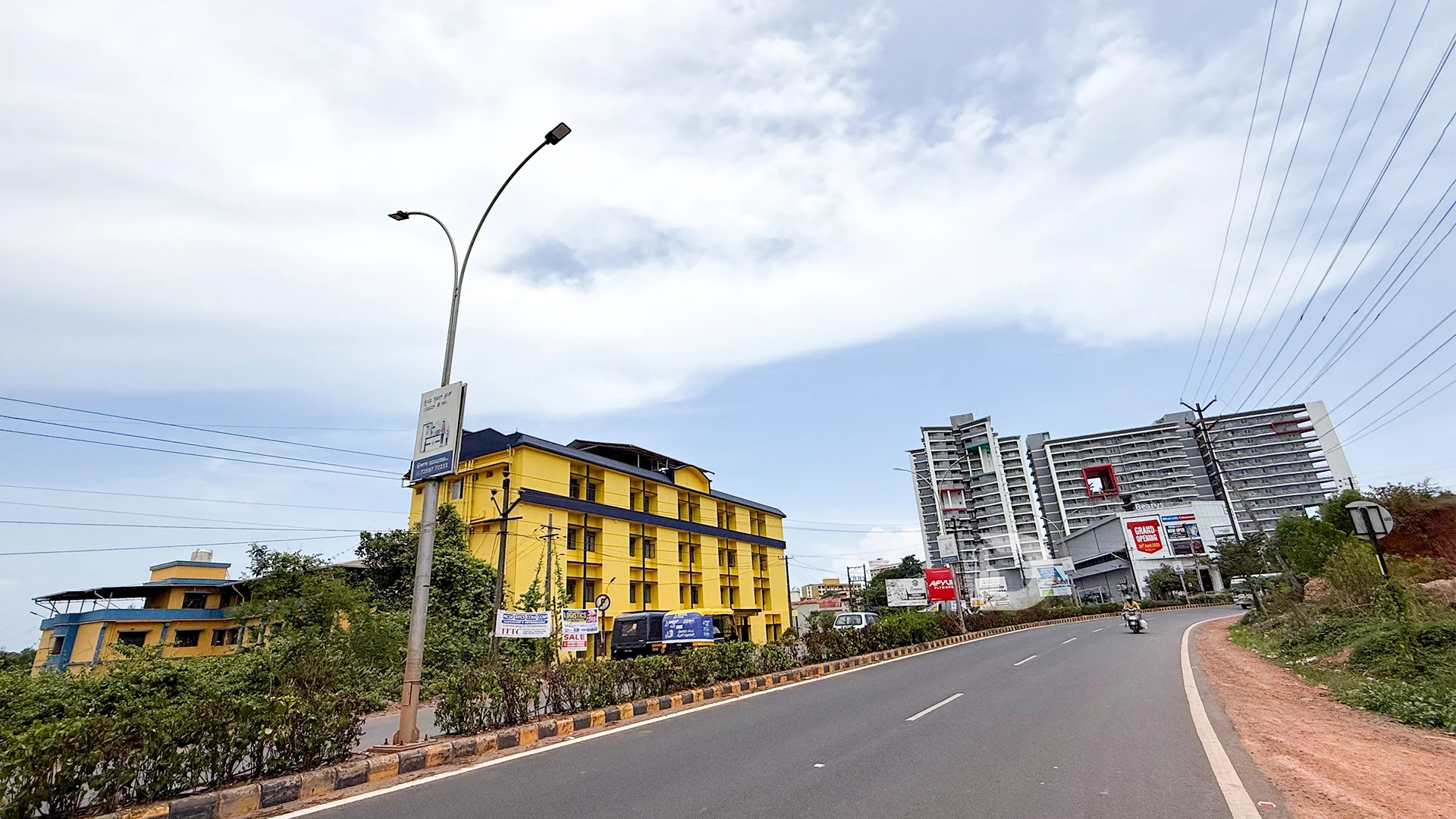
At first glance, Deralakatte appears to be a peaceful locality. With tree-lined roads, low-rise buildings, and vast medical and academic campuses, the suburb gives off a calm and slow-paced vibe. Unlike central Mangalore, Deralakatte does not suffer from chaotic traffic congestion or non-stop commercial noise.
Most residents describe Deralakatte as relatively quiet compared to other urban zones. This tranquility is especially appreciated by:
- Senior citizens looking for peace
- Students who need concentration
- Families with young children
- Medical patients recovering at nearby hospitals
The absence of large-scale industries, nightlife hubs, and crowded public marketplaces adds to the area’s serene environment.
Sources of Noise in Deralakatte
While Deralakatte is largely calm, it’s not devoid of everyday urban sounds. The noise levels in Deralakatte can vary depending on specific zones, times of day, and ongoing developments.
1. Academic Institutions
With major institutions like Yenepoya University and Nitte University present in Deralakatte, there’s regular foot traffic from students and staff. While this doesn’t typically lead to disruptive noise, occasional events or student gatherings can generate mild sound during peak hours.
2. Construction Activity
As Deralakatte continues to grow, ongoing construction work for new residential buildings, hostels, and infrastructure projects can temporarily raise local noise levels. This is most noticeable during the day, particularly in newly developing pockets.
3. Vehicular Traffic
Main roads such as the stretch connecting to Thokkottu and Konaje see moderate traffic during rush hours. Auto-rickshaws, buses, and bikes can contribute to background noise, but the overall intensity remains far lower than inner-city Mangalore.
4. Religious and Community Events
Temples, mosques, and churches in Deralakatte occasionally host religious functions or processions, especially during festivals. These events are culturally significant and may involve amplified music or announcements, but they are usually brief and respectful of community norms.
Deralakatte’s Quiet Zones
Some neighborhoods within Deralakatte are especially known for their peaceful ambiance. Areas closer to medical campuses or tucked away from the main road enjoy almost uninterrupted quiet, perfect for those who value silence.
Popular Quiet Spots:
- Yenepoya Medical Campus vicinity – green surroundings and well-maintained walkways
- Residential lanes near KSHEMA – less traffic and dense vegetation buffer noise
- New gated communities – built with noise-reduction planning and landscaping
These locations attract individuals who are seeking a low-noise environment for work, rest, or recovery.
Is It Too Quiet?
While many celebrate Deralakatte’s calm, a few newcomers from big cities may initially find it “too quiet,” especially during the late evening or early morning hours. Nightlife is minimal, and post-9 PM, most areas become very still.
This can be a positive or a downside depending on your lifestyle:
- Pro: Great for early risers, families, and health-conscious individuals
- Con: Limited late-night entertainment or dining options
Community Response and Planning
The local community in Deralakatte has been proactive in maintaining noise balance. Many institutions enforce strict no-noise policies after certain hours. Gated communities are often equipped with soundproofing, and new buildings are constructed with urban planning regulations that consider noise pollution.
Additionally, residents are aware and respectful of their surroundings, contributing to an overall atmosphere of mutual consideration.
How Noise Levels Impact Daily Life in Deralakatte
Whether it’s the ability to enjoy an undisturbed night’s sleep, focus on study or work, or simply listen to birds chirping in the morning, noise levels play a critical role in determining overall well-being.
Key Benefits of Balanced Noise Levels in Deralakatte:
- Better sleep quality for residents
- Improved focus for students and professionals
- Lower stress levels
- Healthier environment for seniors and young children
- Safer neighborhoods due to audible awareness of surroundings
Final Thoughts: Just Right for Most
In conclusion, Deralakatte offers a balanced soundscape that leans more toward quietude. While it is not entirely devoid of urban noise, most of its areas maintain a low to moderate noise profile that supports a healthy and productive lifestyle.
For families, students, working professionals, and retirees alike, the noise levels in Deralakatte are more of a benefit than a drawback. The suburb continues to attract those who are looking for a peaceful yet connected place to live—proving that in a world of constant noise, Deralakatte might just be just right.