
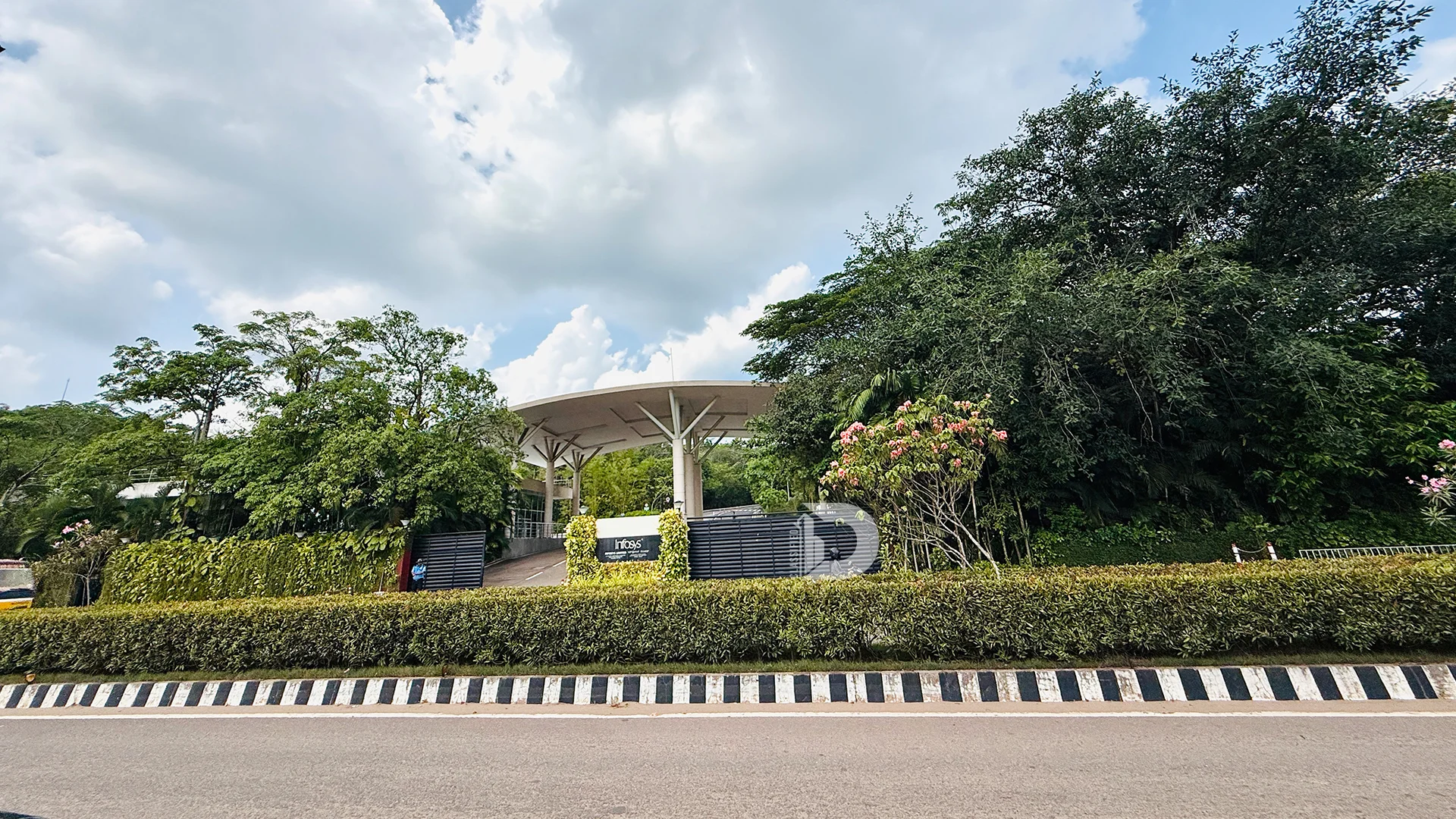
Deralakatte’s Response to Environmental Sustainability
Deralakatte, a vibrant and fast-growing suburb in Mangalore, is not only becoming an educational and medical hub, but it’s also quietly emerging as a community aware of environmental sustainability. While rapid urbanization often leads to environmental degradation, Deralakatte is beginning to adopt practices that show an intent to grow responsibly. This blog explores how Deralakatte is responding to environmental sustainability, the challenges it faces, and the community-driven efforts that are making a difference.
Understanding the Importance of Sustainability in Deralakatte
As the population of Deralakatte grows—thanks to its reputation as a university town and medical zone—the pressure on its natural resources has significantly increased. New buildings, infrastructure development, and increased vehicular traffic contribute to environmental concerns. However, the awareness surrounding sustainable living in Deralakatte is on the rise, largely due to the influence of students, professionals, and healthcare institutions promoting green habits.
Green Building and Urban Planning
One of the visible signs of environmental awareness in Deralakatte is the growing number of green buildings. New residential and institutional constructions are increasingly integrating sustainable architecture—rainwater harvesting systems, energy-efficient designs, solar panels, and waste management facilities. Several colleges and hospitals in Deralakatte have taken the lead by making their campuses eco-friendly.
Urban planning has also started taking green zones into consideration. Though still at a developing stage, there are patches of green preserved intentionally in both residential complexes and institutional areas. Tree planting initiatives are often carried out by civic groups and college students alike.
Waste Management Initiatives
Deralakatte’s response to environmental sustainability also includes efforts in solid waste management. The rise in population has brought with it an increase in household and commercial waste. Local residents and ward-level bodies have initiated awareness programs promoting segregation of waste at the source. Some apartment communities and educational campuses in Deralakatte have introduced composting units to manage biodegradable waste more effectively.
Several NGOs and youth groups have been working alongside local authorities to conduct clean-up drives and promote “Zero Waste” campaigns. These efforts, although small in scale now, are creating a culture of environmental responsibility in Deralakatte.
Water Conservation Practices
Water scarcity is a seasonal concern in many parts of Mangalore, and Deralakatte is no exception. However, institutions in the area are stepping up with water conservation practices. Borewell recharge pits, rooftop rainwater harvesting systems, and use of recycled water for gardening are becoming increasingly common.
Educational institutions are especially playing a key role by including environmental topics in their extracurricular activities and encouraging students to participate in sustainability projects. This focus helps instill eco-conscious habits among the younger generation in Deralakatte.
Promoting Eco-Friendly Transportation
Traffic congestion and air pollution are growing concerns in Deralakatte. In response, many people have started promoting cycling and walking for short distances, especially within campus areas. With the proximity of educational and medical institutions, the need for long commutes is minimal for many residents. This naturally supports lower carbon emissions.
Efforts are underway to promote public transport use and carpooling, although this still requires stronger infrastructure and awareness campaigns. The idea of shared mobility is gradually catching on among students and professionals living in Deralakatte.
Community Participation and Environmental Events
What truly sets Deralakatte apart in its sustainability efforts is community participation. From college groups hosting “Green Weeks” to resident welfare associations organizing tree plantation drives and clean-up campaigns, there is a growing sense of collective responsibility.
Events such as World Environment Day, Earth Hour, and local eco-awareness campaigns are celebrated enthusiastically in Deralakatte. These occasions often include workshops on sustainability, beach clean-ups in nearby coastal areas, and green marathons to engage youth and spread awareness.
Challenges on the Path to Sustainability
Despite the positive trends, Deralakatte faces several challenges in achieving comprehensive environmental sustainability. Rapid construction, lack of consistent municipal support, limited recycling infrastructure, and gaps in awareness still hinder long-term progress.
However, the growing population of educated youth, environmental science scholars, and responsible citizens continues to push the needle forward. The conversation around sustainability in Deralakatte has started—and that is a crucial step in the right direction.
Looking Ahead: A Greener Deralakatte
Deralakatte’s journey toward environmental sustainability is still in its early stages, but the signs are promising. With ongoing efforts in waste management, water conservation, green building, and public awareness, the suburb is gradually building an eco-conscious identity.
As more stakeholders—from individual families to large institutions—engage in sustainable practices, Deralakatte can set a positive example for other rapidly developing suburbs in Mangalore. The key lies in sustained effort, community collaboration, and policy support.
Conclusion
Deralakatte is more than a hub of academic and medical excellence; it’s also a place where environmental responsibility is gaining momentum. With continued focus and unified action, Deralakatte can evolve into a suburb that not only grows but thrives in harmony with nature.