
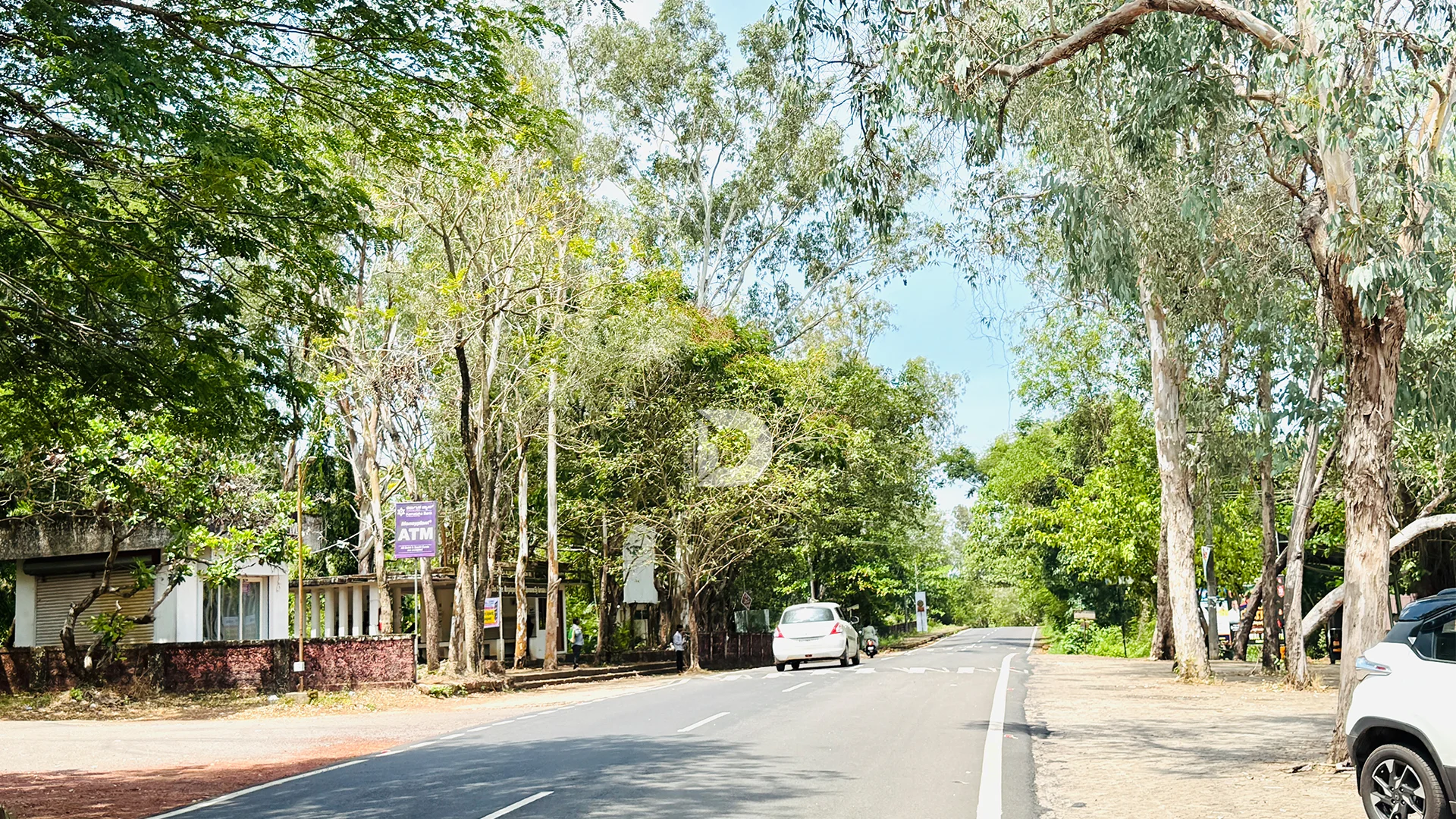
Eco-Friendly Living Practices in Deralakatte
Deralakatte, a suburb located in the southern region of Mangalore, is quickly becoming known not only for its educational institutions and healthcare facilities but also for its increasing emphasis on sustainable and eco-conscious living. As urban development continues to grow in Deralakatte, so does the awareness of the importance of preserving its environment.
In this blog, we’ll explore the eco-friendly living practices emerging in Deralakatte and how individuals and communities are contributing to a greener future—without compromising modern comfort.
1. Sustainable Housing Trends
One of the most visible signs of eco-consciousness in Deralakatte is in the architecture of new residential buildings. Builders and homeowners are opting for:
- Solar panel installations for water heating and electricity
- Rainwater harvesting systems to reduce reliance on municipal water supply
- Eco-bricks and sustainable construction materials that reduce carbon footprint
- Natural ventilation designs that reduce the need for air conditioning
By integrating green building techniques, Deralakatte is setting a new standard for responsible urban development in the region.
2. Waste Segregation and Recycling Initiatives
Eco-friendly living in Deralakatte starts at the household level. Many residential communities, particularly gated apartments and housing colonies, have begun implementing:
- Door-to-door waste segregation programs
- Composting of organic kitchen waste
- Recycling drives for plastic, glass, and paper
Local authorities and private organizations occasionally host clean-up campaigns and awareness workshops, encouraging residents to reduce landfill waste and adopt more sustainable waste management practices.
3. Green Transportation Options
Deralakatte’s compact layout and peaceful streets make it ideal for environmentally friendly modes of transport. More residents are choosing to:
- Walk or cycle to nearby colleges, clinics, and stores
- Use electric scooters or e-bikes for daily commuting
- Share rides with neighbors or opt for carpooling
There is a visible increase in the number of cycling enthusiasts and fitness walkers, especially among students and young professionals, which significantly reduces the area’s carbon footprint.
4. Community Gardening and Urban Farming
A growing number of households in Deralakatte are turning to terrace and balcony gardening. These small gardens allow residents to grow their own herbs, vegetables, and ornamental plants. In some apartment complexes, community garden plots have been developed where neighbors grow together and share their produce.
T
hese initiatives not only help reduce food miles but also foster a sense of community and sustainability among Deralakatte’s residents.
5. Plastic-Free Movement
Following national and global calls to reduce single-use plastics, many shops, local vendors, and cafes in Deralakatte have adopted plastic-free practices such as:
- Using cloth or jute bags
- Offering paper straws instead of plastic
- Encouraging customers to bring reusable containers
Students and eco-clubs from universities often organize awareness drives that promote alternatives to plastic and emphasize the long-term environmental benefits.
6. Water Conservation Awareness
Due to seasonal variations in rainfall, water conservation has become a key focus for residents in Deralakatte. Measures include:
- Low-flow fixtures in bathrooms and kitchens
- Rainwater storage tanks
- Water recycling systems for gardening and cleaning
Educational institutions in the area often host environmental awareness seminars, empowering the younger generation with knowledge about preserving precious water resources.
7. Nature-Friendly Landscaping
The newer buildings and campuses in Deralakatte often include native plant landscaping that requires less maintenance and water. This natural greenery supports local biodiversity and reduces the need for chemical pesticides or excessive irrigation.
Parks and public green spaces are also designed with sustainability in mind, ensuring that the natural character of Deralakatte is preserved even as the town expands.
8. Environmental Education and Culture
Perhaps one of the strongest indicators of eco-friendly living in Deralakatte is the community’s growing culture of environmental responsibility. Schools, colleges, and local organizations frequently participate in:
- Tree-planting drives
- Eco-awareness rallies
- Recycling competitions
- Environmental film screenings and events
These educational efforts help instill a love for the environment among residents of all ages and create a collective commitment to sustainable living.
Conclusion
Deralakatte is proving that urban expansion and eco-consciousness can go hand in hand. Through sustainable housing, waste reduction, green commuting, and community-led environmental efforts, Deralakatte is gradually becoming a model for eco-friendly living in southern Mangalore.
By making conscious choices every day, the people of Deralakatte are preserving the beauty and health of their suburb for future generations—making it not only a place to live but a place to thrive responsibly.