
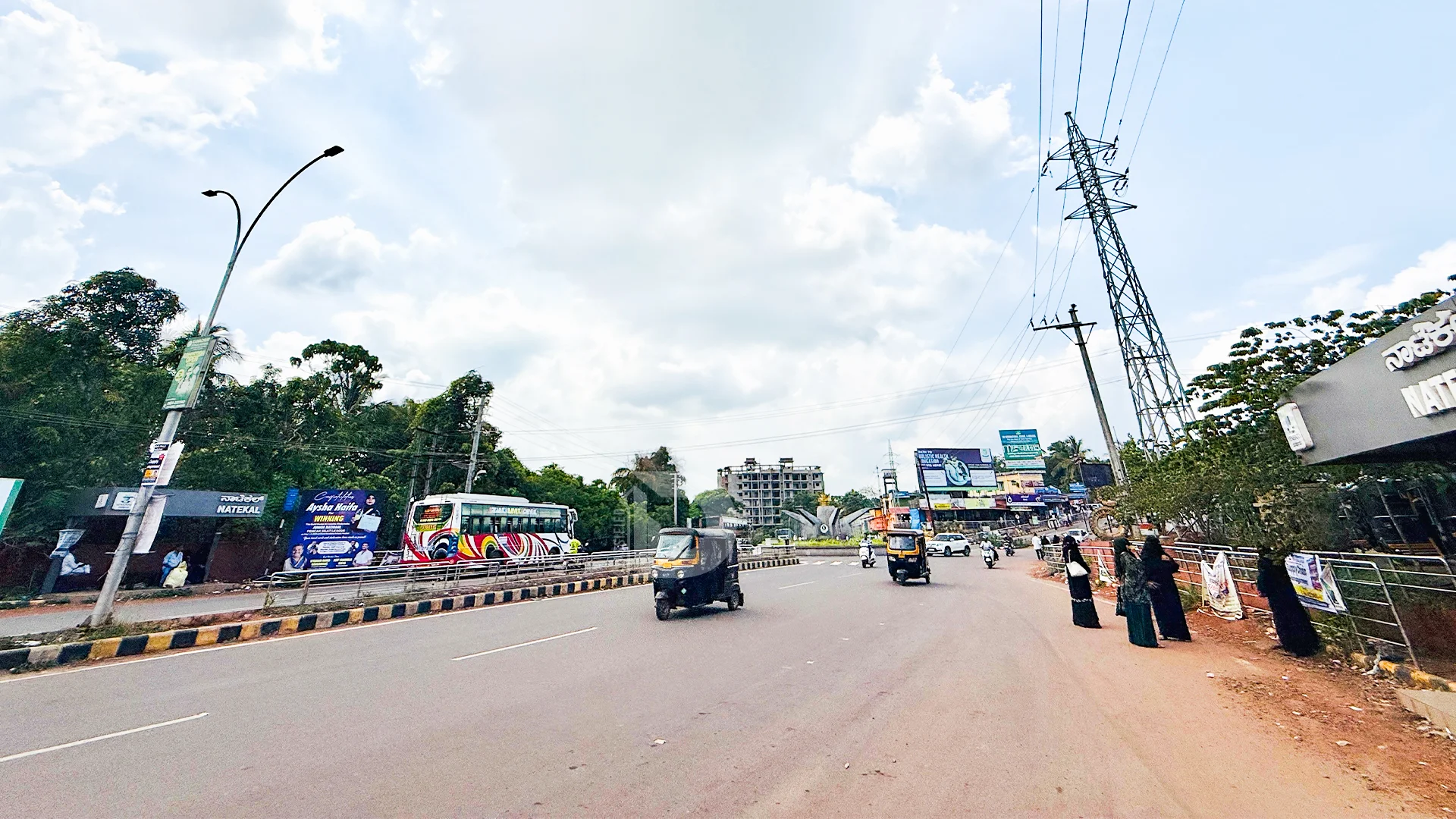
Tree-Lined Streets and Natural Trails in Deralakatte
Deralakatte, a rapidly growing suburb of Mangalore, is widely known for its educational hubs, medical institutions, and peaceful residential pockets. But another side of Deralakatte often goes unnoticed — its tree-lined avenues and green trails that provide a breath of fresh air amid the suburban development. These green spaces not only add aesthetic charm but also play a significant role in enhancing the quality of life for residents.
In this blog, we explore how these natural elements make Deralakatte stand out as a balanced blend of urban infrastructure and nature.
The Charm of Tree-Lined Streets in Deralakatte
Walking through Deralakatte, you’ll often find broad streets flanked by mature trees offering ample shade. These trees — including gulmohars, neem, rain trees, and native species — are more than just pleasant to look at. They:
- Provide natural cooling, reducing urban heat
- Act as air purifiers by trapping dust and pollutants
- Offer shade for pedestrians and cyclists
- Enhance the beauty of residential and institutional zones
Many of these trees have been retained over the years, even as roads were widened or new buildings emerged. Local planners and residents have shown a deep appreciation for greenery, leading to conscious efforts to preserve mature trees along key stretches in Deralakatte.
Popular Natural Trails and Green Spots in Deralakatte
While Deralakatte is not yet known for formal parks or forest reserves, several informal nature trails and walking paths attract morning walkers, students, and families. These areas include:
1. Residential Walkways
Gated communities and quiet residential streets are often lined with gardens and native plants. These are popular with retirees and early risers who enjoy their morning walks surrounded by greenery.
2. College Campus Trails
Institutions like Yenepoya and NITTE have spacious campuses filled with trees and small green areas. Students often use these internal paths for jogging, cycling, or casual walks between classes.
3. Peri-Urban Green Edges
On the outer fringes of Deralakatte, one can find stretches of semi-rural terrain — coconut groves, small fields, and bamboo thickets — that are perfect for weekend walks and photography.
4. Seasonal Waterways and Pathways
During the monsoon, some of Deralakatte’s low-lying paths and ditches fill with water, creating beautiful temporary streams and lush patches of greenery along the way.
Why These Green Spaces Matter
As Deralakatte continues to expand, its green spaces serve multiple essential purposes:
- Health Benefits: People living near greenery enjoy lower stress levels, more opportunities for exercise, and cleaner air.
- Community Building: Walkways and green areas bring people together — from elderly residents to kids and working professionals.
- Environmental Role: Trees and green trails support local biodiversity, attract birds, and contribute to the area’s ecological balance.
These natural aspects are part of what makes Deralakatte more than just another suburb. They give it a distinct identity that combines progress with preservation.
Community Involvement in Green Conservation
What sets Deralakatte apart is the growing community interest in preserving these natural assets. Local associations and resident groups are becoming increasingly vocal about:
- Preventing unnecessary tree cutting
- Encouraging tree planting along new roads
- Organizing “green walks” and awareness events
- Requesting the local municipality to protect footpaths and roadside green zones
Students and schools also participate in tree planting initiatives, particularly on World Environment Day and similar occasions. Their active involvement ensures a green mindset is being passed on to the next generation.
Balancing Development with Greenery in Deralakatte
As high-rises and educational institutions continue to reshape the skyline of Deralakatte, the challenge is to maintain its green soul. So far, several developers and planners have tried to include green elements in their layouts — such as:
- Tree-lined parking areas
- Rooftop gardens in apartments
- Landscaped entrances with native plants
- Internal walking and cycling tracks
These features not only appeal to eco-conscious residents but also elevate property value and livability.
The Future of Natural Trails in Deralakatte
Looking ahead, Deralakatte could benefit greatly from planned green infrastructure. Suggestions include:
- Creating an official green trail network that connects major institutions and residential areas
- Developing mini-parks or green pockets with benches, signage, and trash bins
- Installing green corridors that help birds and small animals migrate safely
- Mapping out heritage trees with community involvement
Such initiatives would cement Deralakatte’s reputation as a forward-looking suburb that respects its roots in nature.
Conclusion
Deralakatte may be emerging as a modern suburb of Mangalore, but its heart still beats in tune with nature. The tree-lined streets and informal natural trails offer more than visual beauty — they provide calm, connection, and a healthier way of life.
By valuing and protecting these green elements, the people of Deralakatte are showing that development doesn’t have to come at the cost of ecology. On the contrary, the two can grow hand in hand, creating a sustainable and welcoming environment for all.