
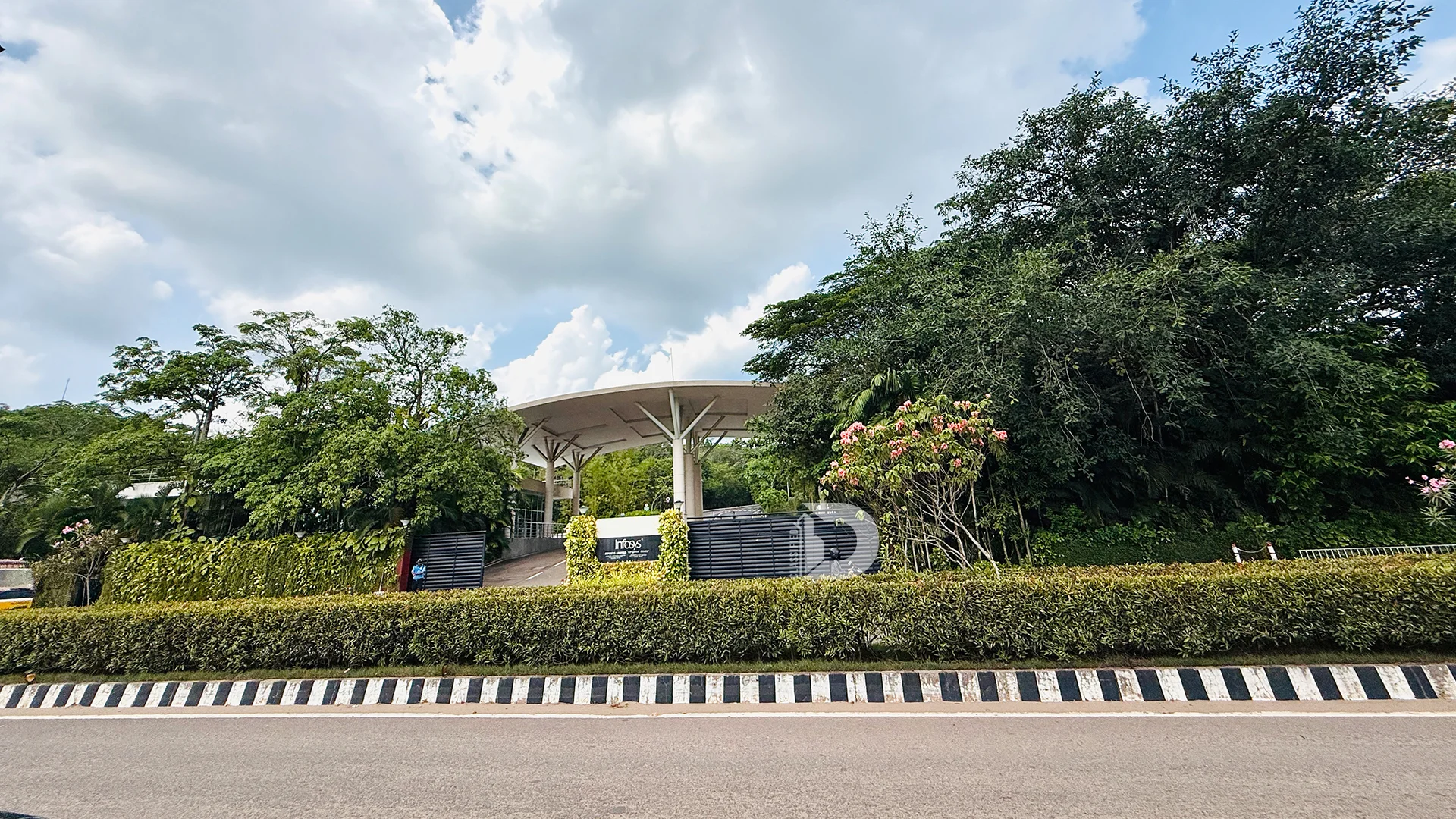
Greenery in Deralakatte: How Much Has Been Preserved?
Deralakatte, a rapidly evolving suburb of Mangalore, is known for more than just its medical and educational institutions. Nestled in the southern zone of the city, this locality has long been admired for its peaceful environment and abundant greenery. But as development continues at an impressive pace, the big question is: How much of Deralakatte’s natural greenery has been preserved?
This blog explores how Deralakatte has balanced its infrastructural growth with environmental consciousness—and what that means for its residents today.
A Lush Beginning
Before Deralakatte became the bustling hub we know today, it was predominantly an area filled with coconut groves, open fields, and patches of forested land. Residents and early visitors recall tree-lined roads, narrow muddy paths, and birdsong as part of everyday life.
Greenery wasn’t an add-on—it was an integral part of the suburb’s charm. From home gardens to agricultural plots, the natural landscape shaped Deralakatte’s identity long before institutions and real estate reshaped it.
The Rise of Institutions and Infrastructure
Over the past two decades, Deralakatte has seen significant growth. The arrival of renowned institutions like KSHEMA, Yenepoya University, and Nitte University, as well as multi-specialty hospitals and hostels, brought waves of urban development.
With this growth came new roads, apartment complexes, commercial buildings, and shopping areas. As concrete replaced patches of land, concerns naturally grew: Was Deralakatte losing its green soul?
Greenery that Survives the Growth
Interestingly, despite this transformation, Deralakatte has managed to retain several green pockets:
-
University Campuses: Many of the educational institutions have made efforts to maintain tree cover and landscaped green zones within their premises. Campus gardens, shaded pathways, and botanical patches are common sights.
-
Roadside Trees: In various parts of Deralakatte, particularly around older roads and bylanes, large trees still line the streets, providing both shade and oxygen.
-
Private Gardens: Homeowners and small villa communities continue to cultivate private gardens and vegetable plots. In areas slightly away from the core of the suburb, greenery is still deeply embedded in daily life.
-
Open Fields and Agricultural Pockets: On the outskirts of Deralakatte, you can still find rice paddies, betel nut plantations, and patches of wilderness that have survived the march of urban development.
Efforts by the Community
Preserving greenery in Deralakatte hasn’t been an accident—it’s the result of active involvement by individuals and institutions:
-
Tree Plantation Drives: Several local colleges and schools have held tree plantation programs to contribute to environmental awareness and reforestation.
-
Eco-Friendly Campus Initiatives: Universities in Deralakatte often include green campus programs, which involve waste management, planting trees, and maintaining eco-parks.
-
Resident-Led Green Projects: Some housing societies and apartment complexes have adopted gardening and composting initiatives to make their living spaces more sustainable.
These ongoing efforts play a crucial role in ensuring that Deralakatte doesn’t lose touch with its green heritage.
Challenges to Preservation
Despite the positives, it would be unrealistic to ignore the challenges:
- Real Estate Pressure: As land prices increase, many open spaces have been converted into construction sites, leading to reduced green cover.
- Traffic and Pollution: With the rise in vehicles and commercial activity, air and noise pollution pose a threat to the suburb’s natural calm and quality of life.
- Lack of Public Green Spaces: Deralakatte still lacks well-maintained, public parks or community gardens accessible to all residents, especially children and the elderly.
The Way Forward: Balancing Growth and Greenery
To ensure Deralakatte remains a green and livable suburb, certain measures can be promoted:
- Zoning and Development Regulations that mandate minimum green cover in new projects.
- Public Investment in Parks and Open Spaces, ensuring every residential zone has access to greenery.
- Sustainability Education in schools and universities to continue the culture of environmental stewardship.
- Community Gardening Projects to encourage people to grow local plants, trees, and flowers—even in small spaces.
Why Greenery Matters in Deralakatte
Retaining greenery in Deralakatte is not just about aesthetics. It’s vital for:
- Temperature Regulation: Green spaces help cool the suburb, especially during summer months.
- Mental Health: Natural surroundings contribute to stress reduction and mental well-being.
- Air Quality: Trees help offset the emissions from increasing vehicle traffic.
- Community Building: Green parks and walkways promote healthy social interactions and outdoor activities.
Final Thoughts
Deralakatte, despite its impressive development, hasn’t entirely lost its green roots. Many trees, gardens, and fields still stand resilient among the newer structures. The future of Deralakatte’s greenery depends on conscious planning, community participation, and sustainable choices.
For residents, visitors, and city planners alike, the task is clear—continue to grow, but never at the cost of the natural beauty that makes Deralakatte truly special.