
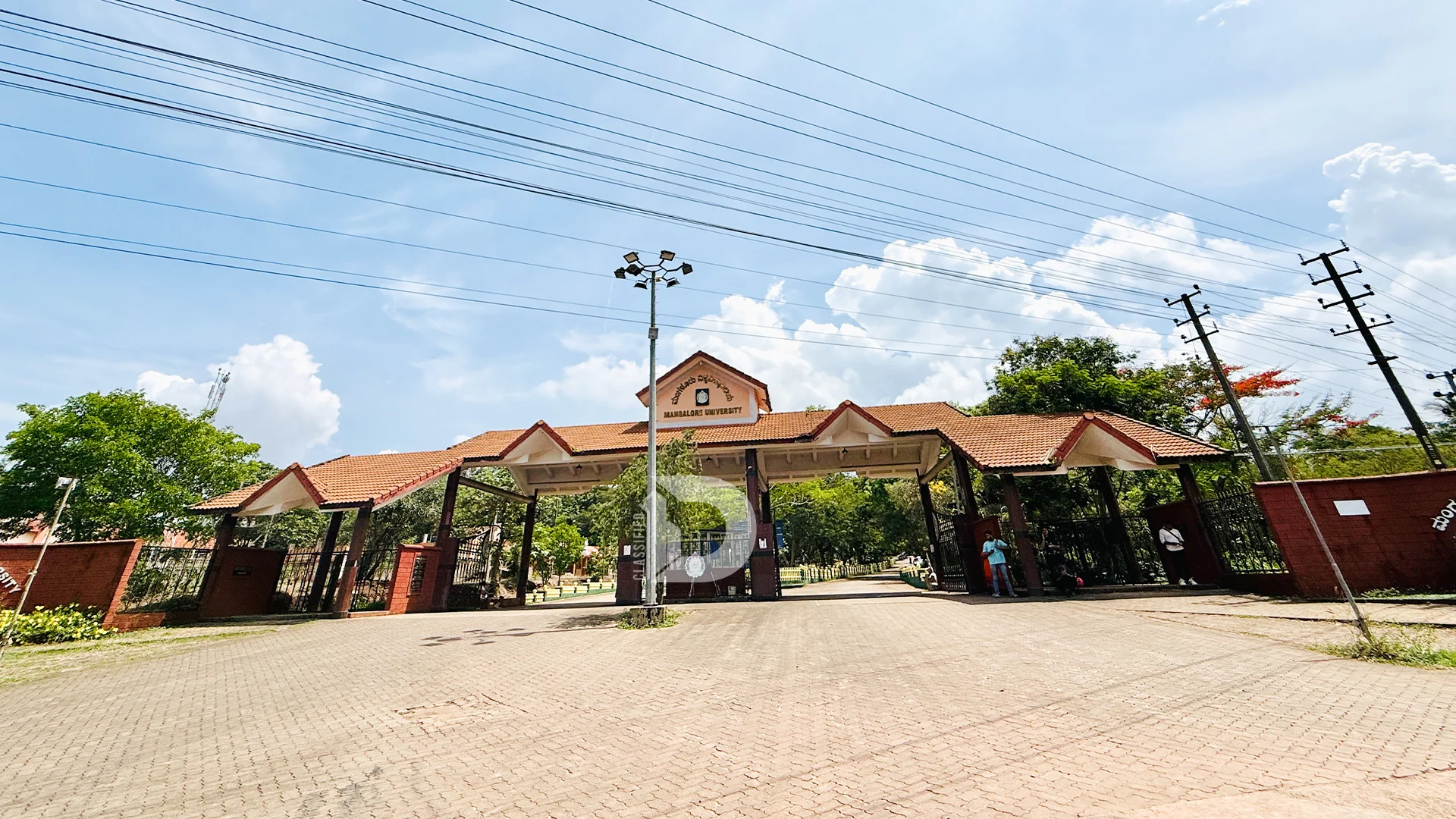
Deralakatte’s Role in Mangalore’s Southern Expansion
Over the last two decades, Deralakatte has emerged as a central force in Mangalore’s southern expansion. What was once a modest suburb on the city’s outskirts is now a thriving hub of education, healthcare, and residential development. As Mangalore has grown beyond its traditional limits, Deralakatte has played a pivotal role in shaping the future of the city’s southern corridor.
In this blog, we explore how Deralakatte has contributed to Mangalore’s southern growth, and why it continues to attract attention from planners, investors, and new residents.
The Strategic Southern Gateway
Mangalore’s urban sprawl has long been focused toward its northern and central regions. However, rising congestion, limited land availability, and growing demand for affordable and accessible infrastructure have shifted attention southward.
Deralakatte, strategically positioned between major southern roads such as the Mangalore University Road and Medical College Road, became a natural focal point. It acts as a gateway to other important southern localities like Konaje, Thokkottu, and Ullal, helping extend Mangalore’s reach without compromising livability.
Deralakatte as an Educational Magnet
The rise of educational institutions in Deralakatte has been one of the most significant drivers of Mangalore’s southern expansion. Premier institutions such as:
- Yenepoya University
- KS Hegde Medical Academy
- NITTE University
- AB Shetty Memorial Institute of Dental Sciences
…have made Deralakatte a magnet for students from across India and abroad.
These institutions have led to large-scale development in nearby areas to accommodate student housing, faculty residences, hostels, libraries, study centers, and support services. No other locality in southern Mangalore has had such an impact on drawing population and infrastructure investment.
Healthcare Hub Boosting Growth
Hand-in-hand with education, healthcare is another sector that has put Deralakatte on the map. Hospitals like Yenepoya Medical College Hospital and KS Hegde Hospital have transformed Deralakatte into a healthcare hub.
These institutions not only serve as training centers but also provide top-tier services to the general public. People from nearby villages, towns, and even other states travel to Deralakatte for treatment, bringing economic activity and increasing demand for services and infrastructure.
This dual strength in education and healthcare is unmatched in any other Mangalore locality, making Deralakatte a cornerstone of the city’s southern development.
Real Estate and Housing Development
As student numbers rose and medical institutions expanded, so did the demand for housing. Developers began focusing on Deralakatte, recognizing its long-term potential. Today, the area offers a mix of:
- Hostels and PGs for students
- Rental apartments for professionals
- Villas and independent houses for families
- Gated communities and real estate projects
This housing boom has pushed the real estate boundary southwards, setting a trend for continued expansion beyond the city center.
Compared to central Mangalore areas like Kadri or Kankanady, Deralakatte offers more space, lower cost, and modern infrastructure—all essential for sustained urban growth.
Improved Connectivity and Infrastructure
To support this growth, Mangalore’s municipal authorities have invested in roads, drainage systems, public lighting, and sanitation in and around Deralakatte. Public transport has improved significantly, with buses connecting the area to major hubs like State Bank, Pumpwell, and Hampankatta.
Auto-rickshaws and cab services are readily available, making Deralakatte more accessible than ever. Proposed future developments such as broader highways and better links to Mangalore International Airport will only enhance its strategic value.
As connectivity improves, Deralakatte becomes even more vital to Mangalore’s outward expansion.
Sustainable Growth and Livability
What sets Deralakatte apart in the southern expansion story is its ability to grow without losing livability. Despite the growth in population and construction, the suburb maintains a sense of calm and order. The presence of academic institutions ensures cleanliness, discipline, and civic engagement.
Green spaces, clean roads, and lower traffic congestion compared to the city center make Deralakatte an attractive place to live. This sustainable development model has prompted urban planners to consider it a blueprint for future suburban expansion in Mangalore.
Economic Spillover Effects
Growth in Deralakatte has had a ripple effect on nearby areas like Konaje, Mangalagangothri, and Someshwar. Businesses that support student and healthcare ecosystems—such as cafés, pharmacies, printing centers, medical stores, hostels, and grocery shops—have flourished.
Small-scale entrepreneurs and vendors find a steady stream of customers, boosting the local economy. The demand for construction, transportation, and service-based jobs has increased, offering opportunities for nearby rural populations.
This localized growth strengthens Mangalore’s economy from the periphery inward, showcasing Deralakatte’s importance in regional development.
Future of Southern Mangalore and Deralakatte’s Role
Looking ahead, Deralakatte is expected to continue its upward trajectory. With more residential layouts being approved, private and public investments in infrastructure, and growing academic and healthcare demand, the suburb is on track to become a major urban node in Mangalore’s development plan.
Urban planners are considering new initiatives such as:
- Smart roads and digital signages
- Advanced waste management systems
- Mixed-use developments
- Affordable student housing zones
As these projects unfold, Deralakatte will remain central to shaping Mangalore’s southern identity.
Final Thoughts
From a sleepy rural stretch to one of Mangalore’s fastest-growing suburbs, Deralakatte has played a transformative role in the city’s southern expansion. Its unique position as an educational and healthcare hub, coupled with its livability, affordability, and accessibility, make it an indispensable part of Mangalore’s urban future.